
Frequently Asked Questions about Psilocybin and Psychedelics
A comprehensive set of questions and answers to help you understand everything you need to know about MycoMeditations and the world of psychedelic retreats and psilocybin therapy.
Frequently Asked Questions About MycoMeditations
Where are your psilocybin retreats located?
MycoMeditations psilocybin retreats are located exclusively in Jamaica. As psilocybin and other psychedelics continue to be legalized in different countries, we may eventually expand into other locations. At this time, we believe Jamaica is the best place to operate a psilocybin therapy retreat due to its open legal status and the beauty of the retreat settings that can be curated on the island.
What makes MycoMeditations psilocybin therapy retreats different?
MycoMeditations is the original psychedelic retreat to offer a model of care that could be considered a genuine form of psychedelic therapy, as our retreat model resembles the approaches taken in clinical research. Most other psychedelic retreats still provide wellness or Indigenous-oriented access to psychedelics. Whereas, MycoMeditations provides psilocybin therapy within a natural retreat setting that’s specialized for mental health applications through our advanced therapeutic approach with licensed mental health professionals.
MycoMeditations has a higher staff-to-guest ratio than other psychedelic retreats. The typical MycoMeditations retreat has between 8 and 10 guests, whereas other retreats very often have upwards of 15 or 20. Although we have fewer guests per retreat, our retreats have more therapists and facilitators than other psychedelic retreats. On average, a MycoMeditations retreat with 8-10 guests will be staffed by 5-8 therapists and facilitators. Other psychedelic retreats of 15-20 guests usually have 3-5 facilitators.
This difference allows MycoMeditations to provide private, one-to-one psilocybin therapy sessions for guests, while the psychedelic experiences of other psychedelic retreats are mainly done in a group.
How safe are psilocybin retreats at MycoMeditations?
Safety is the highest priority of MycoMeditations. We go above and beyond to ensure that you feel as safe and supported as possible when you join our psilocybin retreats.
We have a rigorous screening and application process to ensure that our psilocybin retreats are safe and a good fit for you and your needs. Once you are on retreat, we provide the highest standard of therapeutic care. An abundance of psychedelic therapy professionals, including numerous licensed therapists, experienced facilitators, and nurses, staff our psilocybin retreats. We also have a full medical team on call for all retreats.
MycoMeditations has developed extensive therapeutic protocols throughout more than a decade of experience. Each member of our retreat team is trained to work with guests through this proven protocol to create the safest environment possible.
The depth of care provided at our psychedelic retreats is industry-leading, with the most extensive preparation and integration system available to support your psilocybin sessions, before, during, and after your retreat.
Is psilocybin legal in Jamaica and at MycoMeditations retreats?
Yes, psilocybin is completely legal in Jamaica, the only location of our retreats. Unlike many other psilocybin retreats that operate in legal grey zones (Mexico and Canada) or under excessively regulated and limiting legal frameworks (Oregon and Colorado), our psilocybin retreats in Jamaica are fully legal.
What is MycoMeditations?
MycoMeditations is the longest-running psilocybin retreat. We originated the concept of providing genuine psilocybin therapy within a retreat setting in a manner that replicates—and in our opinion, surpasses—the standard of mental health care and support shown in clinical trials. MycoMeditations hosts 8-day psychedelic retreats with psilocybin mushrooms, which licensed therapists and highly experienced facilitators guide within a Western contemporary therapeutic approach.
How long has MycoMeditations been operating psilocybin retreats in Jamaica?
MycoMeditations began facilitating psilocybin retreats in Jamaica in 2014, long before psychedelic retreats became common worldwide. Over the past decade, we have hosted over 2000 guests and administered more than 6,000 psilocybin sessions.
This experience has allowed us to refine our therapeutic protocols, train a world-class team, and establish a model for psilocybin therapy that sets the standard for therapeutic psychedelic retreats based on professionalism, safety, and long-term outcomes.
What outcomes have past guests reported after attending MycoMeditations?
MycoMeditations has conducted longitudinal guest outcome surveys since 2021, collecting thousands of data points about our retreat outcomes. Our survey outcome data showed clinically significant reductions in depression, anxiety, and PTSD symptoms at numerous time points following the retreat.
One month post-retreat, guests of MycoMeditations are shown to experience reductions in symptoms by more than 60% across all conditions we measure: depression, generalized anxiety, social anxiety, and PTSD. What’s even greater is that these symptom reductions in guests are largely maintained one year post-retreat, with symptoms across all conditions still reduced by over 50% compared to baseline.
These findings reflect what our therapy teams get to observe every week: Psilocybin therapy, when done in a safe, curated retreat setting, creates proven, lasting transformation in people.
How much do psilocybin retreats cost at MycoMeditations?
Retreat prices vary depending on the accommodation tier you select. Our three property levels—Blue Marlin, Rainbow Tree, and Bluefields Bay—each offer their own unique comforts and amenities, but all include the same therapeutic program and professional care team.
The starting prices can be found on each of our retreat location pages, where you can also see upcoming retreat dates.
Feel free to book a call with our team to explore each location further.
What is included in the retreat cost?
Each retreat package includes everything required to support your psilocybin therapy experience from start to finish. All MycoMeditations retreats include:
- Three psilocybin sessions
- Professional therapeutic support and guidance
- Extensive preparation and integration sessions (approximately 20 hours total per retreat)
- Complete medical oversight (nurse on-site, doctors on call)
- Post-retreat integration (3 sessions) and additional resources
- Personal hospitality assistance
- Your selected accommodation
- Meals prepared to your needs by local chefs
- One massage
- Local transportation
- Additional expenses are airfare, travel insurance, optional gratuities, and the psilocybin mushrooms, which are purchased on the island for $420
What happens during a psilocybin session at MycoMeditations?
Each psilocybin session takes place privately, with support from a licensed therapist or experienced facilitator. Due to our intimate group sizes, high staff-to-guest ratio, and spacious retreat properties, we can spread our guests across the location to create private experiences with a dedicated guide. Guests have a range of options for choosing the ideal dosing spot.
Your facilitator remains present throughout the entire experience, ensuring that support is always on hand. They are there to help you in whatever way is needed, from simple things like keeping your water bottle filled to supporting you if difficult psychological material arises during your sessions. There’s nothing our therapists and facilitators haven’t seen, and they are trained to guide you therapeutically through everything psilocybin can bring up.
Who facilitates the retreats, and what qualifications do they have?
A multidisciplinary team of licensed mental-health professionals, trained facilitators, and on-call medical personnel staffs every retreat. Our therapists hold credentials in fields such as psychology, counseling, or social work, and they specialize in a range of therapeutic modalities, including Internal Family Systems (IFS), Accelerated Experiential Dynamic Psychotherapy (AEDP), somatic therapy, depth psychology, transpersonal psychology, and mindfulness.
Our facilitators also have a rare, extensive experience working with psilocybin. Due to the illegal status of psychedelics in most parts of the world, it’s difficult for therapists to gain direct experience working with these medicines. Much of the training for psychedelic-assisted therapy is theory-based, and most experiential trainings only involve breathwork, which is significantly different from a psychedelic experience. Our team has years of experience, which offers you the rare chance to work with practitioners who have significant experience working with altered states of consciousness induced by psychedelics.
This multidisciplinary design and depth of experience ensure that guests receive professional, compassionate, and trauma-informed care.
What mental-health conditions do guests of MycoMeditations typically seek help for?
Guests commonly attend MycoMeditations to address depression, anxiety, PTSD, OCD, or other trauma-related symptoms. They also seek to manage professional burnout, relationship challenges, grief, or end-of-life distress. Others come for personal development, creative exploration, leadership growth, or spiritual exploration.
While psilocybin is not a cure-all, it can catalyze profound change when combined with professional preparation and integration. Our screening process ensures that the retreat is an appropriate and safe environment for your specific goals and circumstances.
What is the preparation process like before attending a retreat?
Preparation begins long before you arrive in Jamaica. Our application and registration process includes calls with our hospitality team and therapists, during which you will gain a clear understanding of what to expect when joining MycoMeditations.
Following your registration, you’ll receive clear guidance on how to best prepare for your retreat with materials on medications, lifestyle adjustments, and intention setting. We provide extensive educational materials, such as book recommendations, support for family and friends, and structured exercises to help you mentally and emotionally align with the process ahead.
By the time you arrive, you’ll already have developed a relationship with our team and a clear understanding of how to navigate your psilocybin therapy sessions with confidence and trust.
How does MycoMeditations support guests with integration after the retreat?
Integration begins during the retreat itself, through extensive group integration sessions and one-to-one discussions with the therapists and facilitators leading your retreat. By the end of a MycoMeditations retreat, you will have engaged in approximately 20 hours of group discussion, which fosters an extremely deep integration process throughout the week.
Once you return home, we provide three online integration sessions over the course of 8 weeks post-retreat for each retreat group. These sessions are led by the Lead Therapist of the retreat and offer guests a long-term focus on their integration process, long after their retreat ends.
Additionally, we also host Alumni Integration sessions, which are open to all Alumni of MycoMeditations. These online sessions are held every two weeks to provide continuous care and ongoing options for integration support. Once a person joins MycoMeditations, their integration process becomes everlasting and remains available whenever additional support is desired.
Can I attend if I’ve never used psychedelics before?
Absolutely. A large percentage of our guests are experiencing psychedelics for the first time when they join us. We will teach you everything there is to know about engaging with psilocybin mushrooms therapeutically. Even those who are experienced with psychedelics often report the psilocybin sessions at MycoMeditations to be unlike anything they’ve experienced before, due to our unique approach to working with this medicine.
Are private retreats or customized options available?
Yes. In addition to our scheduled retreats, MycoMeditations can arrange private or small-group retreats for individuals, couples, families, or organizations seeking an exclusive experience. These bespoke experiences can be tailored to the exact preferences of those attending.
Please contact us to learn more about private retreats.
How do I apply or book a psilocybin retreat with MycoMeditations?
The process begins with our online application, which should take about 15 minutes to complete. Once submitted, our therapy team reviews your responses, conducts a brief screening, and ensures that our retreats are an ideal fit for you.
If your application is approved, you’ll be able to select your preferred retreat location, date, and room selection. Once you register, you begin the guided preparation process.
The process of joining MycoMeditations is comprehensive to create the most therapeutic experience possible. Our goal is to make each step clear, supportive, and personalized. We make the process of joining MycoMeditations as seamless as possible.
How many people are typically in a MycoMeditations retreat group?
Most MycoMeditations retreats have 8-10 guests, making it a more intimate, personalized psychedelic retreat experience.
Frequently Asked Questions about Psilocybin
What is psilocybin, and how does it work in the brain?
Psilocybin is the active compound found in certain species of mushrooms, often referred to as “magic mushrooms.” When consumed, it’s converted by the body into psilocin, which interacts with many receptors in the brain, including serotonin receptors such as the 5-HT2A receptor.
This receptor interaction creates a unique, temporary alteration in patterns of brain activity. The psychedelic experience induced by psilocybin is extremely complex, but the main brain changes shown are related to how different regions communicate. Psilocybin alters the functional connectivity of multiple brain networks by desynchronizing established networks, which increases global brain integration. One of the main networks disrupted is the Default Mode Network, which is the brain network responsible for our sense of space, time, and self.
How long does a psilocybin experience last?
The active effects usually last between four and six hours, followed by a reflective or “afterglow” period that may extend into the next day. The peak typically occurs around two to three hours after ingestion.
Which mushrooms contain psilocybin?
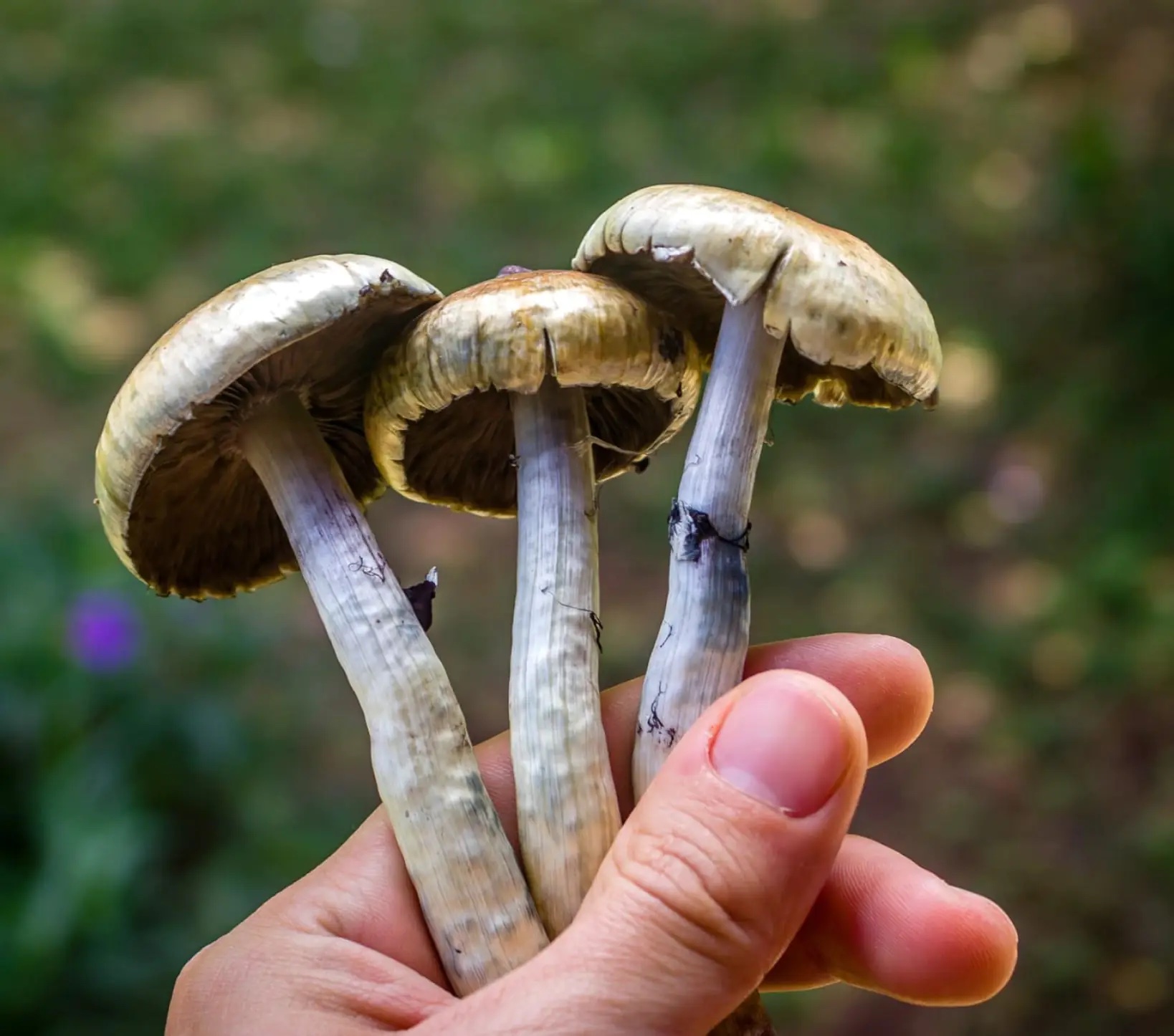
There are more than 180 species of psilocybin-containing mushrooms found around the world. The most common is Psilocybe cubensis, which grows naturally in tropical and subtropical regions, including Jamaica. There are also other species, such as Psilocybe semilanceata (“liberty caps”) and Psilocybe cyanescens, which exist in different climates.
MycoMeditations exclusively uses Psilocybe cubensis mushroom on retreat, specifically, the B+ strain. We cultivate all of our own psilocybin mushrooms for retreat use.
Is psilocybin safe to use?
When used in a supportive, supervised setting, psilocybin has an excellent safety record. It is non-addictive, physiologically well-tolerated, and has been shown in clinical trials to carry a low risk of adverse effects.
The most important safety factors are psychological preparation, environment, and professional guidance. Challenging emotional experiences can arise, which can leave people feeling destabilized if they are not handled with care. The chances of this happening are higher when the set and setting have not been responsibly considered. The concept of a “bad trip” typically references a psychedelic experience that was not well thought out or managed with adequate support, which left the person shaken up.
Psilocybin, which is extremely safe when handled responsibly, is a powerful psychoactive compound. At MycoMeditations, all dosing takes place in a therapeutic context with an abundance of personal support, which ensures the safest experience possible.
However, consuming psilocybin is considered risky for people with a personal or familial background of mental health conditions such as bipolar disorder, schizophrenia, or psychotic episodes.
What are the short-term effects of psilocybin?
Psilocybin typically begins to take effect within 30 to 60 minutes of ingestion, and the experience lasts about 4 to 6 hours. Common effects include visual and auditory changes, emotional sensitivity, altered sense of time, and deep introspection.
While these effects vary widely between individuals, the most consistent feature is a temporary shift in perception and self-awareness that can bring unconscious material to the surface for processing and healing.
When the experience is directed inward, the journey often gets described as an odyssey through one’s mind. People experience a depth and texture of experience that cannot be explained, as this process is unbelievably complex and personalized, leaving many people without the words to describe it to another person.
Mystical experiences are common on higher doses of psilocybin, particularly at the doses we work with at MycoMeditations. A mystical experience occurs when the ego dissolves, creating an experience beyond the self. This becomes a transcendent encounter with a mysterious, divine quality of awareness involving interconnectedness, awe, and unity. Mystical experiences are considered ineffable (difficult to describe), noetic in quality (a sense of deep knowledge or truth), with powerful and lasting effects on the individual’s worldview.
Mystical experiences are also shown to be highly correlated with better mental health outcomes following a psilocybin experience.
What are the long-term effects of psilocybin?
Long-term effects depend on many factors, including the setting of the original experience, the dose, the framework of guidance, how a person integrated the experience into their life, and more.
Based on all the different factors, the long-term effects of psilocybin can be profound or benign depending on how the medicine was engaged with. A single experience approached with careful preparation and integration can leave somebody profoundly changed forever, while another person engaged with psilocybin in a less intentional way may have dozens of experiences without anything significant happening.
However, when considering the therapeutic use of psilocybin, the long-term effects are shown to be positive, significant, and durable. Data from MycoMeditations shows lasting, positive effects on our guests, and other studies show that the positive effects of psilocybin remain even after 5 years.
In terms of negative long-term effects, psilocybin appears to have minimal risk. The most significant risks are associated with improper screening and irresponsible use. Psilocybin can trigger latent cases of bipolar disorder, schizophrenia, or psychotic episodes for those predisposed to these issues. Careless use can also lead to experiences that can leave a person destabilized.
Is psilocybin addictive?
No, psilocybin is non-addictive. If anything, its properties make it anti-addictive, in that people develop a tolerance to repeated psilocybin use.
The experience of psilocybin also involves an amplification of existing mental states, which means psilocybin is not the drug of choice for people looking to escape their pain, which is the core of addiction. Psilocybin is more likely to force people to confront their issues than it is to mask their suffering.
Because of its psychological intensity, people rarely feel compelled to take psilocybin repeatedly. Most who use it therapeutically report the opposite: they see themselves taking a break from it after doing significant personal work.
How does psilocybin differ from LSD?
Psilocybin differs from LSD in that it is a naturally occurring psychedelic compound, whereas LSD is a synthetic psychedelic, which is derived from ergot fungus. Both are considered classic psychedelics, but due to their unique chemical structure, each catalyzes a unique set of reactions within the receptors they bind to. This creates a distinct psychedelic effect for the two of them. Still, this difference is difficult to describe realistically, as each person can have widely different experiences when comparing the two experiences, or even when comparing experiences of the same substance.
Many describe LSD as being a more cerebral type of experience with clearer thinking, whereas psilocybin is often described as being a more somatic and emotional type of experience.
Psilocybin and LSD also differ in the duration of the experience. Psilocybin is shorter-acting, with the experience lasting 4-6 hours. LSD, on the other hand, typically lasts more than 12 hours.
How does psilocybin differ from MDMA?
Psilocybin differs from MDMA in that psilocybin is a classic psychedelic, while MDMA is a synthetic entactogen—a compound that increases empathy and emotional openness. Psilocybin primarily acts on a wide range of receptors, predominantly serotonin receptors, leading to perceptual and introspective effects, including altered visual experiences. MDMA, on the other hand, increases the body’s own serotonin, dopamine, and oxytocin release. This effect results in heightened feelings of personal bonding, reduced fear, and emotional safety.
Psilocybin experiences are often described as more inward, mystical, and perception-altering, whereas MDMA sessions tend to feel more heart-centered and relational. The experience for both substances typically lasts 4–6 hours.
How does psilocybin differ from ayahuasca?
Psilocybin is found in certain mushrooms in many parts of the world, while ayahuasca is a brewed tea from the combination of two plants—Banisteriopsis caapi and Psychotria viridis, which are found in the Amazon. The caapi vine contains MAO inhibitors that allow N, N-dimethyltryptamine (DMT) from the viridis leaves to become orally active when ingested.
While both substances are considered classic psychedelics, their experiences are unique. Psilocybin tends to produce a slightly shorter, 4–6-hour journey, whereas ayahuasca typically lasts 6–8 hours. Psilocybin is often described as being a gentler experience, and ayahuasca is often described as more intense and purgative.
Both experiences often involve visions, physical release, and a guiding “intelligence” quality. Similarly, the two psychedelics can evoke profound psychological and spiritual experiences, yet their cultural roots and physiological mechanisms set them apart.
The common way to access these two psychedelics — psilocybin and ayahuasca retreats — tend to differ as well. Psilocybin retreats are often more psychotherapeutic, versus ayahuasca retreats will mainly exist through an Indigenous framework.
Is psilocybin legal anywhere in the world?
Why is psilocybin legal in Jamaica?
Psilocybin mushrooms have never been scheduled or prohibited under Jamaican law, which means their legal status in Jamaica is the result of them simply being unregulated. Their natural status as fungi means they fall outside the scope of the Dangerous Drugs Act.
This unique legal environment has made Jamaica a center for psychedelic retreats and international research collaborations. MycoMeditations operates within this legal framework, with local and international professionals ensuring the highest standards of care.
Can psilocybin help with depression?
Yes. Psilocybin has shown significant promise in treating depression in numerous clinical trials. It appears to “reset” specific patterns of brain activity that are associated with the rigid, negative thought loops that characterize depression. Within this reset is the desynchronization of brain networks, such as the default mode network (DMN), which underlies a person’s sense of self. Psilocybin creates a disruption in the DMN that creates opportunities for psychological change related to overcoming depression.
Psilocybin is also shown to increase neuroplasticity—the brain’s ability to reinforce new patterns and break down existing ones. Alongside this heightened plasticity, psilocybin promotes new neural connectivity and fosters emotional openness, which allows people to access and process underlying emotions in new ways.
Many participants report enduring, significant improvements in mood and self-perception following structured, supported psilocybin therapy sessions.
For the complete guide about how psilocybin can help with depression, click here.
Can psilocybin help with anxiety?
Yes. Clinical research has shown that psilocybin can significantly reduce symptoms of anxiety, particularly when that anxiety is related to trauma, life transitions, or existential distress. Following a psilocybin experience, activity in the brain’s amygdala—the region responsible for fear and threat perception—tends to decrease. This reduction allows individuals to navigate life with less fear and a generally more positive mood..
Psilocybin also temporarily quiets the brain’s default mode network (DMN), which is associated with self-referential and worry-based thinking. This interruption can help loosen the repetitive mental patterns that drive anxiety, making space for new perspectives and calmer states of mind.
Through this combination of decreased fear response and increased emotional openness, psilocybin can help people experience relief from anxiety and reconnect with a sense of safety.
For the complete guide about how psilocybin can help with anxiety, click here.
What is the difference between microdosing and high-dose psilocybin experiences?
Microdosing involves taking tiny, sub-perceptual amounts of psilocybin—typically around 0.1-0.3 grams—to support mood, focus, and creativity without inducing a psychedelic state. Microdosing tries to reap the neurological benefits of psilocybin over the long run without having a psychedelic experience.
In contrast, high-dose experiences—such as psilocybin therapy—bring about profound shifts in consciousness that can facilitate emotional release, cognitive insights, and mystical experiences. These three facets of high-dose psilocybin experiences are considered the three key mediators of psilocybin therapy.
MycoMeditations works exclusively with high-dose psilocybin sessions. Higher doses show the greatest potential for clinical and personal breakthroughs. In contrast, it remains unknown whether the positively reported effects of microdosing are just the placebo effect in action.
For the complete comparison between microdosing and higher-dose psilocybin therapy, click here.
How does psilocybin affect brain connectivity and neuroplasticity?
Psilocybin temporarily disrupts brain functional connectivity, increasing communication between regions that don’t normally interact. This leads to what neuroscientists call “hyperconnectivity,” a state in which the brain explores new pathways of perception, thought, and emotion. This allows for novel experiences to occur that can be highly transformative for a person.
Research has shown that this flexibility continues beyond the acute experience. This is supported by increased neuroplasticity following psilocybin, which is the brain’s ability to reorganize and form new connections. This is part of the reason that many people report new insights, emotional resilience, and positive behavioral changes in the weeks following a psilocybin session.
What factors influence the set and setting for a psilocybin experience?
“Set” refers to your mindset, such as your intentions, emotional state, and expectations going into the experience. “Setting” refers to your physical and social environment.
Both profoundly shape the direction and emotional tone of a psilocybin session. A calm, supportive setting and thoughtful preparation of the inner mindset help ensure that the experience unfolds safely and meaningfully, which is why professional facilitation is so important.
What are mystical or peak experiences during psilocybin use?
A mystical or peak experience refers to moments of deep unity, transcendence, or profound meaning that sometimes arise under psilocybin. Mystical experiences in psilocybin research are typically measured using the Mystical Experiences Questionnaire. This rating scale assesses the degree of four key qualities that define the mystical experience: Mystical (internal unity, external unity, noetic quality, sacredness), positive mood, transcendence of time and space, and ineffibility.
Clinical studies have shown that the intensity of such experiences is correlated with long-term therapeutic outcomes. While not every session involves a mystical component, many people describe these moments as life-changing.
What does current clinical research say about psilocybin?
Over the past two decades, leading universities—including Johns Hopkins, Imperial College London, and NYU—have published dozens of peer-reviewed studies on psilocybin.
Findings consistently demonstrate that psilocybin can produce rapid and sustained reductions in depression, anxiety, addiction, and existential distress. Research also shows improvements in emotional regulation and overall well-being, particularly when combined with professional psychological support.
How is psilocybin different from “magic mushrooms”?
The term “magic mushrooms” is a common nickname for mushrooms that contain psilocybin. Magic mushrooms refer to the whole fungi, while psilocybin is the active compound within them.
In clinical trials and at MycoMeditations, psilocybin is administered in a controlled, standardized way, eliminating the variability that can come from consuming whole mushrooms.
Can psilocybin be dangerous for people with mental health conditions?
In certain cases, yes. Individuals with schizophrenia, bipolar disorder, or a background of psychosis are advised not to use psilocybin due to the potential for symptom activation. Likewise, it is advised that those with family backgrounds of these same conditions stay clear of psilocybin.
For most other mental health conditions, including those with depression, anxiety, PTSD, or OCD, psilocybin can be incredibly beneficial when professionally supported with proper guidance, in-session guidance, and integration.
MycoMeditations conducts a comprehensive psychological screening to ensure safety and suitability before approving any guest of our retreat.
How can someone prepare safely for a psilocybin experience?
Safe preparation begins with education, intention, and self-care. This includes learning about psilocybin and preparing yourself for the range of potential experiences that may arise. It may also involve adjusting or pausing certain medications under medical supervision, as some medications can interfere with psilocybin’s ability to bind to receptors and become active. Intention setting involves creating a clear approach and mindset for how you want to engage with your psilocybin experience. Take good personal care of yourself before a session, in whatever way that looks like to you.
It is often best to let go of expectations and hopes. Simply trust that these experiences will provide you with what you need.
Working with trained facilitators or therapists ensures that both the physical and psychological aspects of preparation are addressed. At MycoMeditations, guests receive structured preparation guidance that covers emotional readiness and practical steps for arriving grounded and open to the process.
Frequently Asked Questions about Psilocybin Therapy
What is psilocybin-assisted therapy?
Psilocybin-assisted therapy is a therapeutic approach that combines the use of psilocybin—the active compound in certain mushrooms—with structured psychological support.
The therapy component of psilocybin-assisted therapy is multifaceted, as it intersects with the psilocybin experience itself at multiple junctures of the overall process. It is designed to help individuals prepare themselves for the psychedelic experience, to support them through the experience, and to assist them with making sense of the session afterwards through integration.
Psilocybin-assisted therapy gives an individual the ability to explore emotions, memories, and beliefs that are not accessible through conventional talk therapy. Psilocybin acts as a catalyst, and the altered state of consciousness it induces allows novel psychological material to present itself to the person’s awareness for processing. Because psilocybin is considered a non-specific amplifier, it naturally brings psychological material to the surface that has the greatest emotional charge for a person.
The therapeutic process surrounding the psilocybin experience provides a framework for safety, reflection, and the integration of all that emerges. This combination within psilocybin-assisted therapy allows for profound emotional release and shifts in perspective, accelerating healing and personal growth.
How does psilocybin therapy differ from traditional talk therapy?
In traditional talk therapy, insight is steadily built through conversation and reflection. The processing of different experiences and emotional states occurs gradually over time.
Psilocybin therapy, by contrast, uses a single or series of guided psychedelic sessions to catalyze deeply felt emotional experiences or novel insights that can rapidly reshape long-standing patterns.
While talk therapy often works from the conscious mind outward, psilocybin therapy tends to access deeper, usually unconscious material. Through this process, more of the mind becomes conscious to work with. This allows for new memories, emotions, insights, or belief patterns to emerge that may have remained out of reach through discussion alone.
The result is often a sense of accelerated progress within a safe therapeutic framework. It can help people move out of psychological plateaus that can frequently be hit in traditional talk therapy.
What happens during a psilocybin therapy session?
A psilocybin therapy session typically lasts anywhere from four to eight hours depending on the approach, and the session is conducted in a safe, comfortable environment with trained therapists or facilitators present throughout. The experience is often spent with eyes closed, wearing an eyemask while music plays. This is the standard protocol for clinical psilocybin therapy research, and it is intended to turn your attention inward. When psilocybin therapy is done following this protocol, you will tend to experience a surreal experience where a wide range of thoughts and emotions emerge. These psychological manifestations are often expressed through vivid visions that represent facets of the individual experiencing them. This process, over hours, often resurfaces repressed emotion and memory related to trauma, which allows you to process traumatic imprints. This process is what leads to the positive psychological benefits of psilocybin therapy.
Therapists provide quiet support, ensuring physical safety and emotional containment while allowing the process to unfold naturally. After the session, you’ll participate in integration discussions to make sense of the experience and translate insights into everyday life.
How does psilocybin therapy support trauma healing?
Psilocybin therapy can help individuals revisit and process painful memories from a state of emotional safety and openness. The medicine often softens defensive barriers, allowing suppressed feelings to emerge without the overwhelming sense of threat that typically accompanies trauma recall. This is particularly heightened when accompanied by trained psychological support.
When combined with professional therapeutic support, this process can lead to the release of long-held emotional pain and the development of new, healthier narratives about the self.
What are the main therapeutic benefits of psilocybin therapy?
Psilocybin therapy has been shown to support improvements in mood, emotional regulation, and self-compassion. Many people report reduced symptoms of depression, anxiety, and post-traumatic stress disorder after supported sessions.
Beyond symptom relief, psilocybin therapy often leads to greater self-acceptance, authenticity, and a renewed sense of meaning in life. These benefits can endure long after the experience itself, with many people considering their psychedelic experiences as being amongst their most meaningful life experiences.
Is psilocybin therapy scientifically proven to work?
Yes. Over the past two decades, clinical research at institutions such as Johns Hopkins University, Imperial College London, and NYU has consistently shown psilocybin to be both safe and highly effective in reducing symptoms of depression, anxiety, and addiction.
Participants in these studies often experience rapid improvements after only one or two sessions. What’s more, the results of psilocybin therapy are also shown to be long-lasting.
While research continues, the existing data suggest that psilocybin therapy represents one of the most promising advances in mental health treatment in decades.
Who can benefit most from psilocybin therapy?
Psilocybin therapy may benefit individuals experiencing depression, anxiety, trauma-related distress, or emotional stagnation that hasn’t responded to traditional therapy. It’s also effective for those seeking personal growth, self-understanding, or spiritual connection.
The key factor is readiness. People who enter the process with openness, curiosity, and a willingness to engage deeply with their inner world tend to benefit most.
What mental health conditions can psilocybin therapy help treat?
What mental health conditions can psilocybin therapy help treat?
Clinical and observational studies suggest psilocybin therapy can reduce symptoms of major depressive disorder, generalized anxiety, PTSD, and end-of-life existential distress. Research has also explored its use for addictions, such as alcohol or nicotine dependence, and also for eating disorders.
While it’s not a cure-all, psilocybin therapy offers a new pathway for addressing the root causes of suffering rather than simply managing symptoms.
What does integration mean in psilocybin therapy?
Integration is the process of translating the insights and emotions from a psilocybin session into meaningful and sustainable life changes.
It may involve continued therapy, journaling, meditation, or community connection. Integration helps bridge the gap between the psilocybin experience and the practical realities of daily life to transform moments of realization into enduring patterns of healing and growth.
How do therapists guide a psilocybin therapy session?
Therapists in psilocybin therapy act as anchors rather than directors. Their role is to create an environment of trust and safety, helping participants surrender to the experience while feeling supported and seen. Their presence serves as a grounding force to enable comfort and support.
During the session, therapists maintain a calm, grounded presence. They may offer verbal reassurance or hold space silently, depending on the moment’s needs. This professional containment allows participants to explore deeply while knowing they are never alone.
Therapists can also assist people who become stuck or feel resistance to the experience. With careful guidance, therapists can help a person navigate the potential difficulties encountered during psilocybin therapy.
What safety protocols are used in psilocybin therapy?
Safety begins long before the session itself. Participants undergo thorough psychological and medical screening to identify any contraindications, such as bipolar disorder, schizophrenia, psychotic disorders, personality disorders, or the use of any medications that could be contraindicated with the use of psilocybin.
For psilocybin therapy, dosage should be carefully calibrated for each individual based on factors such as pre-existing psychedelic experience, mental health conditions, personal background, personality factors, attitude towards the experience, and much more.
Sessions are conducted in a secure setting with licensed professionals present. The professionals may be licensed therapists and are trained to effectively manage all that can arise during psilocybin therapy sessions, whether psychological or spiritual.
Post-session integration and follow-up care are also essential components of maintaining safety and stability after the experience, and this practice is common for safe, responsible psilocybin therapy.
How many psilocybin therapy sessions are usually recommended?
The ideal number of sessions varies based on individual goals and needs. Many people experience significant changes after just one guided psilocybin therapy session. Meanwhile, others may need multiple psilocybin sessions to experience a breakthrough. This difference can come down to many factors, such as personal history, extent of trauma, level of preparation, mindset going into the experience, how the experience is navigated, and more.
At MycoMeditations, guests participate in three psilocybin therapy sessions during an eight-day retreat, allowing time for rest, reflection, and professional integration between each session.
What is the difference between a clinical trial and a retreat setting for psilocybin therapy?
Clinical trials are conducted under strict research protocols within medical or academic environments. They focus on accurate data collection and experimental control to maintain study consistency. Clinical psilocybin therapy is also done individually rather than in groups and tends to deploy a narrower therapeutic approach.
Retreat settings, by contrast, offer natural settings, a wide range of possible supporting therapeutic modalities, and are typically group experiences. At MycoMeditations, this includes licensed therapists, small group sizes, and an emphasis on integration, creating a holistic environment that mirrors and in some ways expands upon the structure of clinical studies.
Is psilocybin therapy legal in the United States?
In most of the United States, psilocybin remains a controlled substance and is not yet available for legal therapeutic use outside of approved research studies. However, the states of Oregon and Colorado have created regulated and decriminalized psilocybin programs to provide access to supervised psilocybin therapy, despite its federal prohibition. The next state that will enter this mix will be New Mexico in the next couple of years, as it is currently establishing its own unique psilocybin program.
These policy changes reflect growing public and scientific recognition of psilocybin’s therapeutic potential in the United States. So far, each state has created its own framework for accessing psilocybin therapy. These unique, legal access points will likely continue on a state-by-state basis over the next decade-plus.
How is psilocybin therapy conducted legally in Jamaica?
Psilocybin mushrooms have never been prohibited under Jamaican law, which makes Jamaica one of the few countries where psilocybin therapy can be legally conducted, due to the unregulated status of psilocybin mushrooms in Jamaica.
MycoMeditations operates within this framework, where we have created our own highest possible standard. With a combination of licensed mental-health professionals, rigorous screening protocols, training through direct experience, and Jamaica’s beautiful natural environments, we have created the best possible setting for psilocybin therapy.
How do participants prepare mentally and emotionally for psilocybin therapy?
Psilocybin therapy can be an intense, demanding experience. To engage with psilocybin therapeutically often means confronting trauma in some way during the experience.
To feel prepared mentally and emotionally for psilocybin therapy, participants should learn about the mechanisms of how psilocybin works in the brain and how it alters the mind to develop a sense of trust with the medicine. It is also important to have already done some level of therapeutic work. Psilocybin therapy is not advised to be the first step of your therapeutic journey. It is best to have developed a solid understanding of your personal history and the ability to connect with your body and emotions, as this will factor into how deeply you can engage with the medicine. This capacity will also inform the mindset and intentions you bring into your psilocybin therapy sessions. Additionally, it’s crucial to feel safe and supported by those who will be guiding your experience.
How does treatment with psilocybin therapy compare with antidepressants?
Antidepressants are prescribed to patients for daily use, and the effect of the medications is intended to create positive mental health changes by altering the functioning neurotransmitters with minimal side effects. When used alone, it is a treatment designed to make people feel better due to chemical intervention. However, this rarely happens, as antidepressants commonly come with at least some unwanted side effects. When used in conjunction with psychotherapy, antidepressants are intended to create a positive psychological headspace for the client to be more receptive to psychotherapy.
Psilocybin therapy, on the other hand, is a treatment that can take the form of either a single psilocybin session or multiple sessions over time, ranging from a couple of days between sessions over a short period to sessions spaced months apart. These sessions often induce significant psychological shifts, which create immediate changes in the individual. Psilocybin therapy is often paired with psychotherapy to assist with the integration process following the experience, which helps to create sustained benefits following the treatment.
Can psilocybin therapy lead to lasting personality or behavioral changes?
Research suggests that psilocybin therapy can increase traits such as openness, empathy, and emotional awareness, even months after the experience. Many participants report greater connection to themselves, others, and the world around them.
These changes often occur naturally as the insights from the experience integrate into daily life. When combined with continued self-work and professional integration support, they can contribute to profound and lasting personal transformation.
Are there contraindications for psilocybin therapy?
Yes, there are contraindications to psilocybin. Psilocybin therapy is not suitable for individuals with certain psychiatric conditions, such as schizophrenia, bipolar disorders, or psychotic-spectrum illnesses.
Many psychiatric medications, particularly SSRIs, can significantly blunt psilocybin’s effects. Other medications, such as lithium or MAO inhibitors, can even be dangerous.
Comprehensive medical and psychological screening is essential before beginning psilocybin therapy.
Frequently Asked Questions about Psychedelic Retreats
What is a psychedelic retreat?
A psychedelic retreat is an immersive experience where individuals take part in guided, intentional sessions with psychedelic substances—most often psilocybin mushrooms, ayahuasca, or mescaline-containing cacti—in a supportive, group environment.
These retreats are designed to promote healing, self-discovery, and personal growth through a combination of preparation, facilitated sessions, and post-experience integration. The best psychedelic retreats balance safety with exploring limits, and therapeutic guidance with personal freedom to explore in your own way.
How are psychedelic retreats different from therapy or coaching?
Therapy and coaching typically focus on incremental change over time through conversation, action, and reflection. Psychedelic retreats, by contrast, catalyze profound emotional and cognitive shifts within a short period of time.
In a high-quality psychedelic retreat setting, therapeutic principles are still applied, and direct coaching may be involved in the process. Still, the psychedelic experience becomes the central catalyst for transformation. Professional integration work following the retreat, often through therapy or coaching, helps bridge these insights into long-term growth.
Where are psychedelic retreats legal?
Legality for psychedelic retreats varies by country. Psilocybin retreats are legal in Jamaica and the Netherlands when using truffles. Meanwhile, ayahuasca is permitted in Peru, Costa Rica, Ecuador, and Brazil. There are different types of legal loopholes, such as in Mexico, where psilocybin is legal when consumed for religious purposes. There are also psychedelic churches that have gained legal exemptions to use psychedelics if it’s considered a sacrament of the church, even in the United States.
Within the United States, regulated psychedelic programs have been rolled out in Oregon and Colorado, where psychedelic retreats are now legal if meeting the requirements of the program.
How do I choose a safe and reputable psychedelic retreat?
Look for retreats that employ licensed therapists or experienced facilitators, conduct medical and psychological screening, and maintain manageable group sizes based on the number of facilitators present.
Transparency about dosing, safety protocols, and facilitator qualifications is essential. Reputable retreats will also include structured integration support after each dose and following the retreat. This helps participants process what they’ve learned and apply it meaningfully to their lives.
What should I expect from my first psychedelic retreat?
You can expect to experience a screening process before you officially join your first psychedelic retreat to ensure your participation will be safe. Once you are approved and registered, you begin the preparation phase. The retreat may send you materials to review or offer calls to join, which will help you prepare for the experience. This time can often bring a range of emotions, as your mind begins to prepare for a significant journey ahead.
Once you arrive at the retreat, you will get to know your fellow guests and the facilitators who will be guiding you. There is often a lot of sharing at this time in preparation for the psychedelic experiences. There are usually accompanying activities such as yoga, meditation, and group sharing. Eventually, the time for the psychedelic experience(s) will come, where you will gather in a group and consume the medicine. Most psychedelic retreats have every dosing in one place, such as under a maloca. In contrast, other retreats allow people to spread out and have private sessions throughout the retreat property with a personal facilitator (as at MycoMeditations).
First-time guests of psychedelic retreats are often surprised by the range of emotions that psychedelics can bring on. Within a single session, you can feel expansive bliss, crippling fear, and reassuring calm.
After the psychedelic sessions, integration activities help translate these experiences into long-term growth and understanding. Integration sessions will be provided once you return home when you join the more reputable psychedelic retreat centers.
How do I prepare for a psychedelic retreat?
Preparation for a psychedelic retreat involves attending to your mental, emotional, and physical readiness. This includes everything from scheduling sessions with a therapist to get ready, reflection on your intentions, open communication with the retreat staff leading up to the retreat, dietary adjustments, and possible adjustments to medications or substances under medical supervision.
Many retreats also encourage journaling, meditation, and gentle lifestyle changes in the weeks leading up to the experience. Entering the retreat with clear intention and trust in the process sets the foundation for a meaningful journey to unfold.
What should I pack for a psilocybin retreat in Jamaica?
When packing for a psilocybin retreat in Jamaica, it’s recommended to bring light, comfortable clothing suited to warm weather, along with swimwear, a hat, and sandals. Bring a notebook for journaling, any personal comfort items, and prescribed medications cleared by your medical team. A good set of headphones is also important if the retreat’s dosing approach involves the clinical psilocybin therapy protocol of eyeshades and music.
Because retreats are often held in remote or seaside areas, guests are encouraged to travel light and leave valuables at home. The goal is to arrive relaxed, prepared, and focused on the inner work ahead.
Are psychedelic retreats safe for everyone?
While psychedelic retreats can be safe when professionally facilitated, they are not suitable for everyone. Individuals with schizophrenia, psychotic-spectrum disorders, bipolar disorder, or certain medical conditions may be at higher risk. This can also extend to individuals with a family history of these conditions.
Responsible retreats will carefully screen each participant, ensuring the experience is appropriate and that medical and psychological safety are prioritized throughout.
Can psychedelic retreats help with depression, anxiety, or trauma?
Yes. Growing research and retreat-based data suggest that psychedelics, when paired with the structured support of a psychedelic retreat, can lead to significant reductions in depression, anxiety, and trauma-related symptoms.
These outcomes are linked to the ability of psychedelics to temporarily “reset” brain networks associated with fear and rumination, as well as their ability to enable significant emotional processing when experienced within a safe and guided environment.
Psychedelic retreats are also group settings, and when multiple people can work through their biggest challenges alongside one another, a group camaraderie that supports the healing of trauma develops. In doing this, people can rediscover how it feels to feel safe being vulnerable with people.
For many people, this combination of medicine and human connection at psychedelic retreats can lead to lasting relief and a changed perspective.
How long do psychedelic retreats usually last?
Psychedelic retreats most often last between five and eight days, depending on the program and number of psychedelic sessions involved. Some focus on a single medicine experience, while others include multiple dosing days separated by rest and integration time. Certain retreats in the Amazon, typically involving ayahuasca, can last numerous weeks, with up to 10+ ayahuasca ceremonies. These longer types of retreats are often considered to be more of a psychedelic apprenticeship, however.
At MycoMeditations, our guests participate in three psilocybin therapy sessions over eight days, supported by structured preparation and integration activities led by a highly experienced team of licensed mental health professionals and skilled facilitators.
What is integration after a psychedelic retreat?
Integration is the process of turning the insights gained and emotions felt during a psychedelic retreat into meaningful life changes. These life changes can consist of behavioural changes, improved thought processes, and a new relationship with various emotions.
The integration process might involve ongoing therapy, journaling, meditation, or lifestyle changes that best support your healing and growth. Without integration, even the most profound realizations can fade. With integration, transformation deepens and becomes part of daily life.
What kind of facilitators lead psychedelic retreats?
The facilitators who lead psychedelic retreats will vary in training, education, and background. A psychedelic retreat facilitator can include everything from an Indigenous shaman who’s part of a multi-generation lineage all the way to a licensed psychologist or therapist, a trauma-informed coach, a yoga teacher, and more. Because of this range and the fact that psychedelic retreats are largely considered unregulated, there is often a large grey area in terms of who calls themself a psychedelic facilitator.
The experience of facilitators can vary significantly when it comes to direct experience with psychedelics and the number of sessions guided. There will also often be tiers of facilitators on retreats. For example, a shaman may serve as the primary facilitator, while other facilitators, who may or may not be shamans themselves, work in a supporting role. Alternatively, a highly experienced licensed therapist may be the lead facilitator of a psychedelic retreat while other licensed therapists also serve as supporting facilitators.
Ideally, a psychedelic facilitator is someone who has an intimate grasp of psychedelics themselves from direct, personal experience. Possessing this experience is often the best way to safely and effectively guide people through psychedelic experiences.
When it comes to modern psychedelic retreats, facilitators with a trauma-informed, mental health background are often the best option. Facilitator training should include a deep understanding of the therapeutic mechanism of psychedelic experiences, trauma-informed care, crisis response, and ethical support practices. It’s also beneficial for facilitators to gain hands-on experience by serving in supporting roles at psychedelic retreats before advancing to more lead facilitator roles.
How much do psychedelic retreats cost?
The costs of psychedelic retreats will vary widely. You can find psychedelic retreats that cost less than $2,000 for short programs of one or two days that are rustic and simple with more basic support, to well over $10,000 for longer retreats that include support from trained licensed therapists within luxury accommodations and additional activities.
Higher pricing generally reflects the professional background of the facilitation team, the number of team members and their level of training, and whether or not there is medical oversight. The depth of a psychedelic retreat program in terms of the number of psychedelic sessions offered and the extent of integration support provided is another cost contribution. The quality of accommodations and the types of activities offered beyond the psychedelics are another significant factor.
When evaluating cost, it’s important to consider not only the retreat itself but also the quality of care and long-term outcomes.
How does MycoMeditations compare to other psychedelic retreats?
MycoMeditations is one of the longest-running psychedelic retreats in the world, having been in operation since 2014. MycoMeditations is also one of the most experienced psychedelic retreats, as we have administered more than 6000 legal psilocybin therapy sessions to over 2000 guests. In that time, we have also validated the efficacy of our psychedelic retreats through longitudinal guest surveys. Our survey data reveals clinically significant improvements for depression, anxiety, and PTSD in guests when measured one year post-retreat. MycoMeditations is also known as the psychedelic retreat that specializes in mental health care, as our retreats are led by highly trained licensed therapists with the safety protocols in place to support the treatment of numerous mental health conditions through psilocybin therapy.