The Rise of Microdosing Retreats for Mental Wellness
Explore why microdosing retreats are gaining popularity, how they support mental wellness, and what participants can expect from microdosing programs.
Published on: November 19, 2025
Everything You Need to Know About Microdosing Retreats
Microdosing retreats are an option for people who don’t feel ready for (or feel they don’t need) a big psychedelic experience. Taking smaller doses of psychedelics in a retreat setting can be helpful for those seeking to enhance a state of calmness, positive mood, and mental wellness.
However, it’s important to know that microdosing retreats are actually few and far between. Yes, some psychedelic retreats, or other niche wellness retreats, may involve offerings of psilocybin mushroom microdoses. But microdosing retreats are certainly not as popular or easy to find as psychedelic retreats, where higher doses are used.
This article will look at what a microdosing retreat involves, as well as microdosing benefits, the limitations of microdosing, safety considerations, microdosing at a retreat vs. on one’s own, how to choose a reputable microdosing retreat, and much more.
What Are Microdosing Retreats?
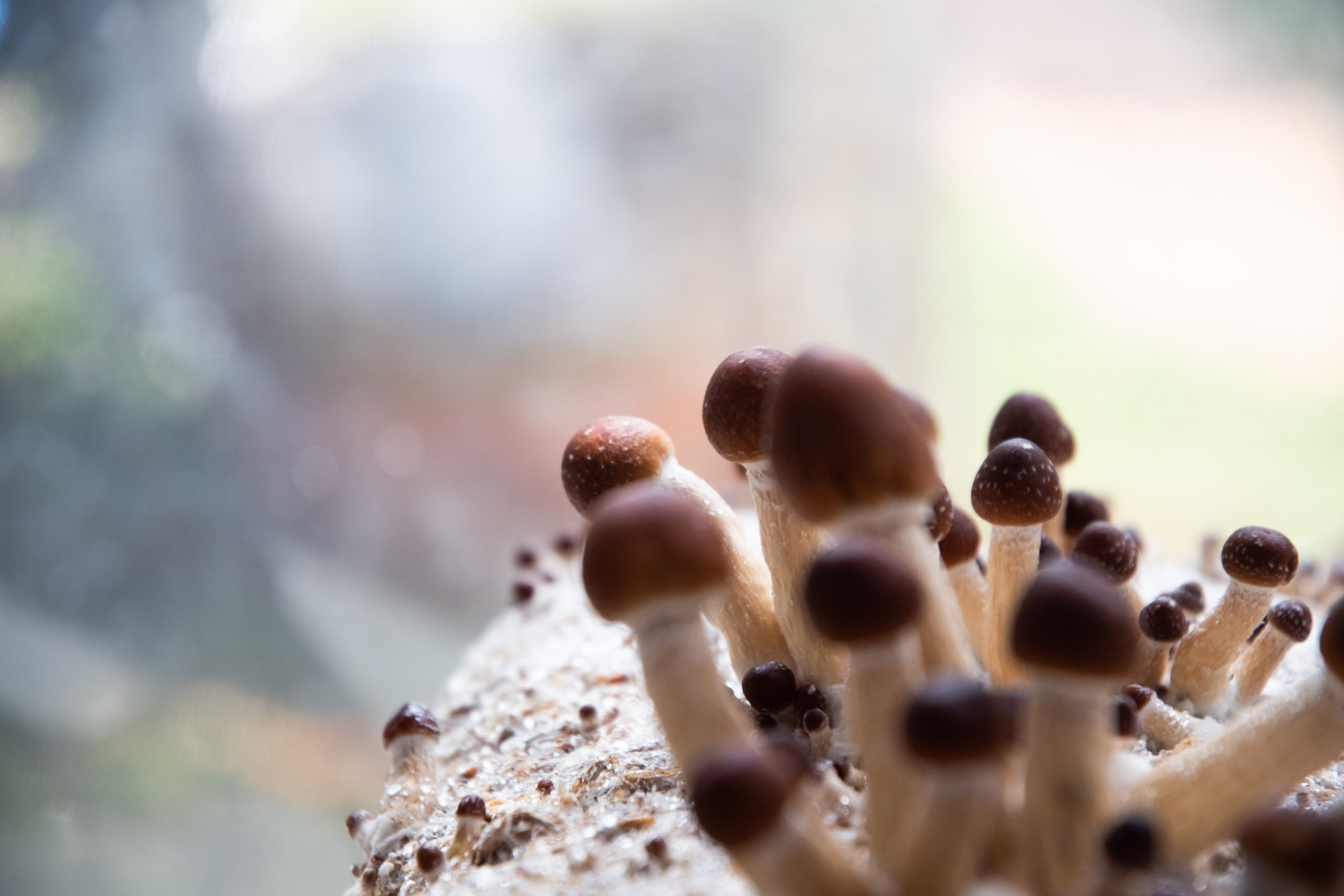
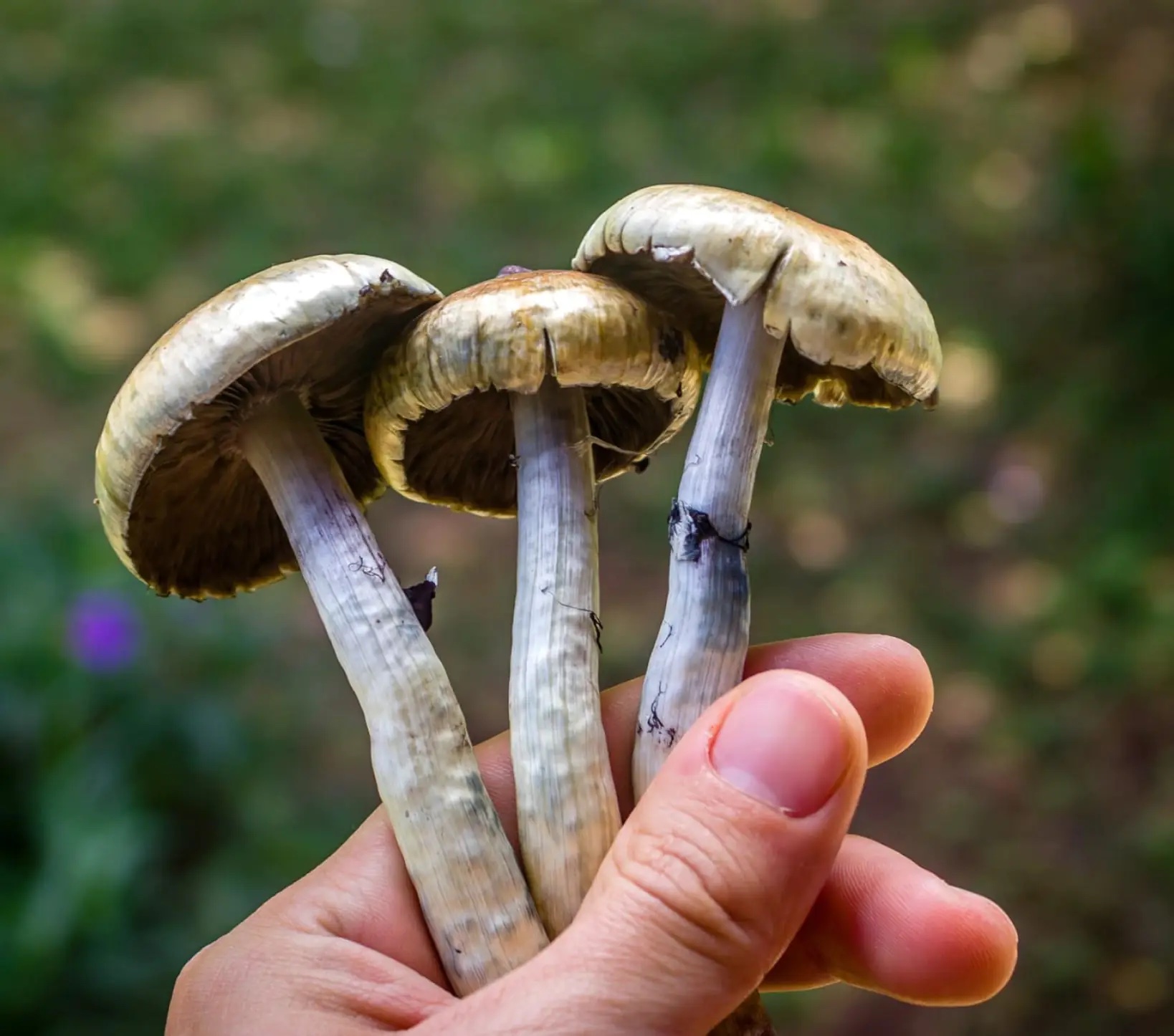
Microdosing retreats involve taking ‘sub-perceptual’ doses of psychedelics, such as psilocybin mushrooms. This means the doses are low enough that no classic psychedelic effects occur, such as visual or auditory distortions, laughing fits, intense euphoria or negative emotion, deep introspection, or mystical experiences. Instead, what people may report is a subtle inner space to explore increased mindfulness, expanded awareness, and enhanced focus or creativity.
A microdosing retreat would involve taking these microdoses of psychedelics in a retreat setting to explore this new mental and emotional interface. Microdosing retreats typically take place in natural surroundings, with villa-like accommodation, healthy meals, and wellness activities provided (e.g., meditation, yoga, breathwork, and sharing circles). As with psychedelic retreats, microdosing retreats involve groups of limited sizes.
Why Microdosing Retreats Are Growing in Popularity for Mental Health & Wellbeing
Microdosing retreats are more popular nowadays because of the general increased interest in using psychedelics to improve mental wellness. Typically, people seek guided psychedelic experiences through psychedelic therapy or psychedelic retreats.
However, for those new to psychedelics, being introduced to the experience by taking a high dose can be daunting. Many people may opt for a microdosing retreat as a way to dip their toes in the waters of psychedelics without having to reconcile the more intense, psychologically challenging experiences that arise from higher-dose psychedelic therapy.
Another reason someone may seek out a microdosing retreat is to experience the enhancement of other wellness activities offered by the retreat, such as meditation, yoga, or relational dynamic workshops.
Microdosing Benefits: What Scientific Research Really Says About Mood, Creativity & Wellness
The practice of microdosing has skyrocketed in popularity over the last 10 years. This was driven by news coverage of Silicon Valley workers using it to boost their productivity and creativity, as well as subsequent glowing reviews of its mental health benefits, as detailed in Ayelet Waldman’s book A Really Good Day: How Microdosing Made a Mega Difference in My Mood, My Marriage, and My Life (2017).
There now exist microdosing coaches, programs, kits, and – the focus of this article – retreats. But does the science back up the claims of life-changing mental wellness benefits, as claimed by those on subreddits like r/microdosing and in real life?
The evidence, as it turns out, is quite mixed and often not as glowing as many anecdotal reports of microdosing benefits.
A 2018 study showed that microdosers score higher on measures of well-being, wisdom, open-mindedness, and creativity compared to non-microdosers. Reports of mental wellness benefits from microdosing were confirmed by a 2019 study, with subsequent research showing similar results. But crucially, these are survey-based studies. The results are not as reliable as placebo-controlled studies. They do not show that microdosing actually causes improvement in these areas of life. It’s also possible that people with better mental health, or who are more creative, are more likely to microdose.
Nevertheless, some placebo-controlled studies on microdosing do exist. A 2020 study found that microdoses of LSD (5 and 10 micrograms) boosted subjective experiences of productivity more than a placebo. However, since this was a subjective experience of productivity, the study did not measure whether microdosing participants actually worked more efficiently or had a higher output compared to the placebo group. The same study also found that the microdosing group experienced greater increases in positive mood, attention, friendliness, confusion, and anxiety. This illustrates that microdosing could have a mixture of positive and negative effects.
A 2021 study by Imperial College London researchers suggests that microdosing benefits are due to the placebo effect, not the pharmacological action of the drug. In other words, the benefits are likely driven by users’ expectations about microdosing. Balázs Szigeti, lead author, stated, “Our findings confirmed some of the beneficial psychological effects of microdosing from anecdotal reports and observational studies, such as improved sense of wellbeing and life satisfaction. But we see the same improvements among participants taking placebos.”
On the other hand, we still lack long-term studies on microdosing benefits. It’s possible that the (non-placebo) mental wellness benefits of microdosing accrue over time. For example, it has been suggested that this could occur if microdosing helps to enhance neuroplasticity (i.e., the brain’s ability to form new connections).
A recent study, published in Neuropharmacology, found that an 8-week microdosing protocol involving LSD helped to reduce the symptoms of major depressive disorder. In addition, these reductions were pronounced and long-lasting. Whether caused by the placebo effect or not, positive effects are still being seen from microdosing.
The Limitations of Microdosing Retreats: What Microdosing Can and Can’t Do
Someone interested in microdosing retreats may look at the research above and still think that these retreats are worth it. This is because, if microdosing doesn’t outperform a placebo, that doesn’t make it ineffective. It still produces mental wellness benefits, and the placebo effect is powerful and shouldn’t be dismissed.
However, while the placebo effect is remarkable, and it works even when you know what you’re taking is a placebo, it is unreliable. It does not work every time you take the placebo or for all people (or to the same degree). Moreover, placebos are generally less effective than drugs whose benefits derive from their pharmacological action.
It is clear from the available research that macrodosing – taking larger doses of psychedelics – offers greater potential for mental wellness than microdosing. We have data from many placebo-controlled studies, as well as long-term follow-up studies, showing that guided psychedelic therapy experiences can help treat:
We don’t have the same kind of robust research indicating similar mental wellness benefits from microdosing. For this reason, the potential of microdosing retreats is more limited compared to psychedelic retreats. To keep one’s expectations realistic, it’s important not to attend a microdosing retreat with the expectation of healing deep-rooted depression or trauma.
Microdosing Retreats vs. Psychedelic Retreats: Key Differences in Experience & Outcomes
There are several ways in which microdosing retreats differ from psychedelic retreats:
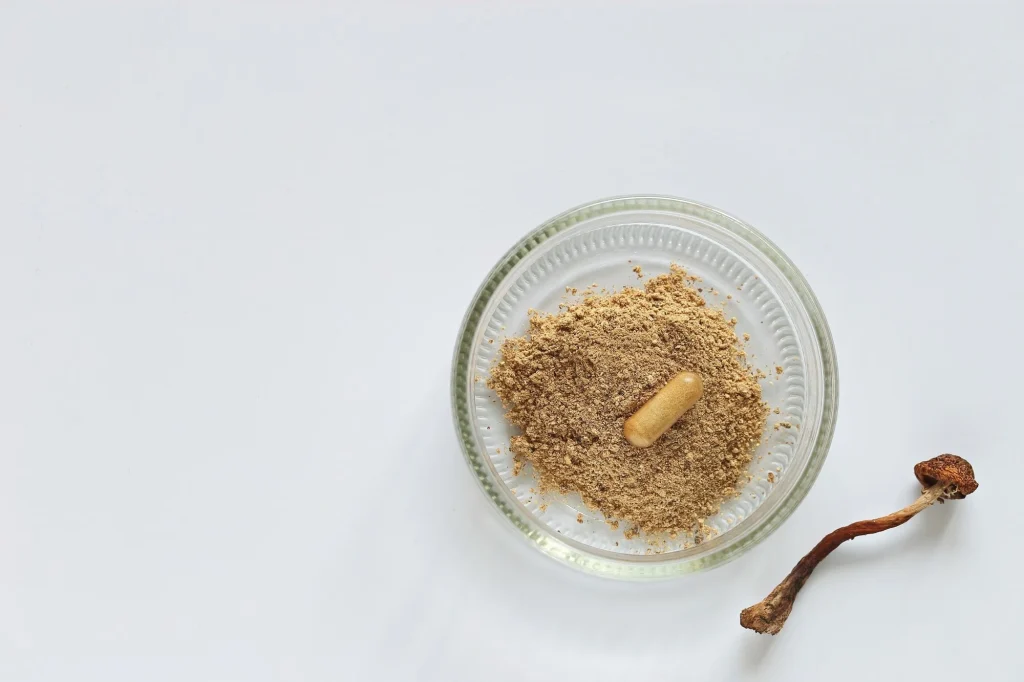
- You take tiny doses of, say, psilocybin mushrooms, at a microdosing retreat: 0.1-0.3 g of dried mushrooms. This is one-tenth to one-twentieth of a full dose. In contrast, at a psychedelic retreat, you would take a moderate to high dose of psilocybin mushrooms: 3-5+ grams.
- Because of the significant differences in dose, the effects of microdosing will be more subtle compared to those of macrodosing. At a psychedelic retreat, you can expect to have a full-blown psychedelic experience, whereas this is not possible with a microdose.
- Psychedelic retreats involve guided psychedelic experiences, meaning that trained facilitators are present to make sure you feel safe, comfortable, and protected throughout a session. Since microdosing retreats don’t involve psychedelic experiences, you won’t need psychological support when you experience the effects of microdosing. The effects are mild enough for you to go about your day or through guided activities as normal.
- You also typically won’t need (or have) integration support at microdosing retreats. At least, it won’t be like what you experience at psychedelic retreats, where people share their insights, visions, and spiritual experiences – because those kinds of effects won’t occur from microdosing. Integration support gives people the space they need to talk about and process intense, confusing, difficult, or extremely meaningful psychedelic experiences, which may also be helped through what others share. People don’t require this kind of support at microdosing retreats.
Microdosing Retreat Safety: Risks, Precautions & Who It’s Best For
While microdosing retreats lack the potential for rapid mental wellness benefits offered by the larger-dose psychedelic retreats, they do involve fewer psychological risks. Since microdosing doesn’t induce psychedelic effects, the possibility of an adverse experience is nearly nonexistent. On the other hand, many of the benefits of psychedelic therapy retreats come from the more challenging experiences. These experiences can be sources of learning, insight, catharsis, and growth.
However, it’s also important to recognize that psychedelic experiences may, for a minority of people, lead to ongoing emotional difficulties. These risks will largely not apply to microdosing retreats, and they illustrate why integration support during and after a psychedelic retreat is helpful for many attendees. Ongoing integration support – such as in the form of psychotherapy or integration circles – may be necessary after a psychedelic retreat, but it’s unlikely it’ll be needed after a microdosing retreat.
Another safety benefit of microdosing retreats is that they may be a safe option for those with conditions normally excluded from psychedelic therapy and retreats, including bipolar disorder. Concerns about psychedelics triggering or worsening psychotic or manic symptoms apply to full doses of psychedelics and psychedelic effects, but typically not for microdoses.
Therefore, microdosing retreats may be safer for a greater variety of mental health issues. In the case of schizophrenia, researchers have also suggested that microdosing may benefit the condition by promoting neuroplasticity.

Nonetheless, this doesn’t mean microdosing has no possible risks. Some researchers have suggested that long-term microdosing, which involves repeated activation of the serotonin 5-HT2B receptor, may increase the risk of valvular heart disease (VHD). This is because other drugs that have similar effects have been shown to increase this risk. However, the link between microdosing and VHD has not been established since, as mentioned before, we don’t have long-term studies on microdosing, either for their benefits or their risks. The study published in Neuropharmacology did find, interestingly, that eight weeks of microdosing LSD, involving 16 microdoses, did not lead to VHD.
In any case, even if this risk is established in the future, this doesn’t mean microdosing retreats are unsafe. After all, they involve short-term microdosing, not continued microdosing. These wellness retreats typically don’t last longer than a week. Any possible heart health risk would only apply if one were already microdosing for a long time before the retreat, or for a long time after it.
When it comes to legal risks, microdosing retreats are often legal, but some will not be. Psilocybin mushrooms, for instance, may be legal in the country or state where the retreat is held. In contrast, a microdosing retreat can also be held in the psychedelic underground. If, say, a microdosing retreat uses LSD, then this would be an illegal, underground operation due to LSD's global prohibition.
Microdosing Retreats vs. Solo Microdosing
At microdosing retreats, you’ll have an itinerary or optional wellness activities, and you’ll stay somewhere that has mental wellness in mind. This will involve clean, comfortable, and aesthetically pleasing accommodation; nutritious food; and natural surroundings with calming or awe-inspiring views.
Most people, however, microdose on their own. Practically all people who microdose are technically breaking the law, but law enforcement for such an activity is extremely low, so people do it anyway. Findings show that over 8 million Americans used psilocybin in 2023, and more than half of these people reported that their last dose was a microdose.
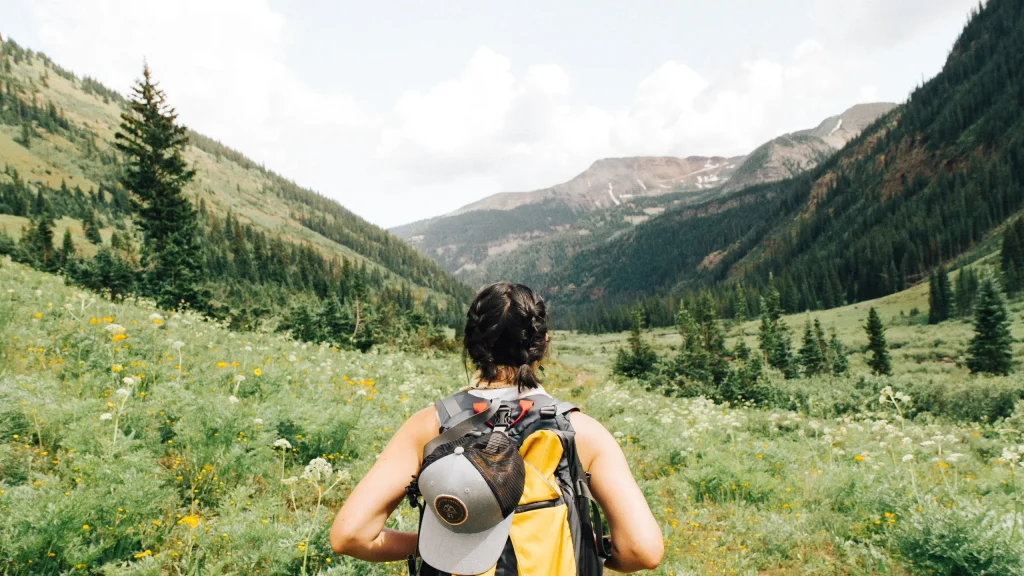
When people microdose solo, this is normally on any given day. So people would be under the influence of a microdose while at work, out with friends, looking after the kids, watching TV, or out walking. Of course, someone may also choose to microdose in a setting more akin to one you’d find at a microdosing wellness retreat. This could be at a non-psychedelic wellness retreat, during a creative work session, on vacation in a beautiful setting, or while hiking.
How to Choose a Reputable Microdosing Retreat: Red Flags, Safety Standards & What to Look For
There are some key signs of a reputable microdosing retreat, which apply equally to psychedelic retreats and other wellness retreats as well:
- The retreat is legal, which means no illegal substances are provided on the premises.
- The retreat is run by trained retreat leaders and staff, whose experience and expertise can be found on the retreat website or another reputable site.
- Reviews are available, not just on the retreat website, but also on reputable review sites.
- The reviews available indicate professionalism, safety, and care, rather than the opposite of all these aspects.
- The retreat organizers can provide accurately weighed microdoses. Microdosing retreats are not reputable if the dosing is inaccurate or inconsistent; otherwise, a microdose may end up being larger than intended, in which case noticeable, unwanted psychedelic effects could occur.
- The retreat is aware of the fact that people differ in their sensitivity to psychedelics, which means they should be able to adjust doses based on individual differences.
- A microdosing retreat doesn’t charge the same as a psychedelic retreat: this would be unjustified based on the care requirements and potential benefits of microdosing.
Are Microdosing Retreats a Good Option for Personal Growth and Mental Wellness?
Based on what we know about the benefits of microdosing vs. psychedelic therapy, microdosing retreats are unlikely to be as popular for mental wellness as psychedelic retreats. We don’t currently have evidence that microdosing retreats will help people overcome severe or chronic forms of mental distress. Microdosing is simply not comparable to immersive, supervised psychedelic therapy.
In any case, microdosing retreats can be hard to find, even if microdosing itself is a popular way of using psychedelics. Because of how benign the experience of microdosing is, people simply don’t have to go to a special retreat setting to take advantage of the benefits. For this reason, it’s unlikely that microdosing retreats are, or will be, a common way to pursue personal growth and mental wellness, even if psychedelics do grow in popularity.
What’s more likely is that microdosing could be incorporated into psychedelic retreats, with microdosing assisting in the stages of preparation and integration. This would involve microdosing before and after the retreat. Whether one is new to psychedelics or an experienced psychonaut, this could be a useful way of preparing one’s mind for stronger effects, as well as enhancing one’s mindset before the full dose. Post-retreat microdosing might also be helpful for nurturing the neuroplasticity promoted by macrodoses, as well as maintaining one’s openness to the lessons gained from the retreat.
Microdosing Retreat FAQ: Safety, Benefits & Participant Expectations
What makes microdosing retreats different from other psychedelic retreats?
Microdosing retreats involve taking tiny, sub-perceptual doses of psychedelics. No classic psychedelic effects occur, so supervision and intensive integration support isn’t as necessary as it is for other psychedelic retreats. The typical psychedelic retreats, in contrast, involve taking larger, full doses, where psychedelic effects do occur, which includes the potential for challenging or mystical experiences. This is why specialized support is necessary.
How do microdosing practices support mental wellness?
Microdosing may improve mood, creativity, productivity, and openness, as well as help reduce depression and anxiety. However, these benefits may be explained by the placebo effect, based on current research. Microdosing might also help promote neuroplasticity, an effect linked to mental wellness. But the evidence for neuroplasticity driven by microdosing is not as promising as it is for macrodosing.
What activities and structure should participants expect?
At microdosing retreats, participants can expect to engage in activities like hiking, meditation, yoga, breathwork, journaling, creating art, and relaxation. Some structure will likely be involved, such as when these activities take place, as well as when meals are had. Nonetheless, the same structure seen at psychedelic retreats – with large blocks of time taken up by preparation, dosing sessions, and integration – won’t apply, as there are no guided psychedelic experiences.
How do retreat facilitators ensure safety and individualized support?
Facilitators at microdosing retreats ensure participant safety and individualized support by creating a mix of practices that are conducive to working with a microdose in beneficial, engaging ways. Activities such as guided journaling, meditation, yoga, or relational attunement workshops are all great ways to make the most of a microdose in retreat settings. These practices are best led by skilled facilitators, ideally ones who are trauma-informed, in case the practices evoke deeper psychological material to surface. Also, taking personal dosing sensitivity differences into account is another safety factor, as a suitable microdose for one person may be too low or high for someone else.
How can someone choose the right microdosing retreat for their needs?
To find a microdosing retreat that suits your needs, it’s important to first check the approach and itinerary of the retreat. This way, you can make sure that your expectations for what you can gain from the retreat are realistic. Avoid microdosing retreats that make unrealistic promises about what microdosing can achieve. Secondly, avoid microdosing retreats that attribute the retreat benefits simply to microdosing, as microdosing is best paired with supporting activities or workshops to create positive changes. Microdosing without intention is largely ineffective. Also, prioritize legal retreats and ones that involve activities you enjoy or feel comfortable participating in.