

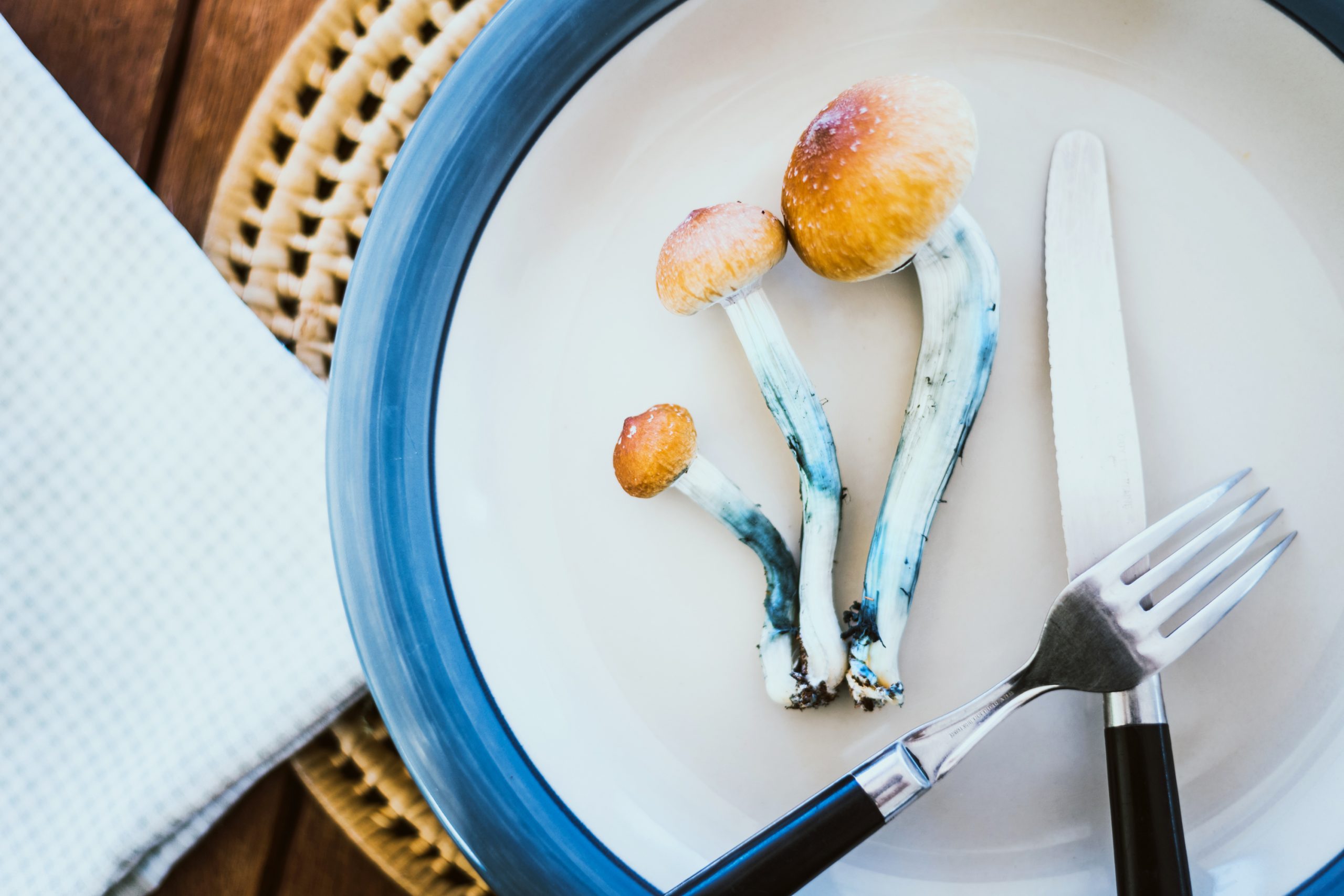
Psychedelic Wellness: Bridging Science and Spirituality
Discover how psychedelic wellness bridges science and spirituality through guided healing, neuroplasticity, and emotional transformation.
Published on: November 11, 2025
The Emergence of Psychedelic Wellness
Psychedelics have moved far beyond the counterculture stereotype.
Backed by decades of clinical research and renewed interest in traditional healing practices, people from all walks of life are turning to psychedelics for mental, emotional, and spiritual healing.
This rising movement – psychedelic wellness – integrates both science and spirituality. It blends neuroscience and modern therapeutic modalities with ancient medicines from Indigenous traditions to promote a lifestyle of health and wellness.
In this article, we’ll explore what psychedelic wellness means, the research behind it, its spiritual dimensions, and how it can support deep personal transformation.
What Is Psychedelic Wellness and How Does It Work?
Psychedelic wellness is the intentional use of psychedelics to promote healing and well-being. This can look like group retreats, 1:1 therapy, or even personal use at home or in nature, and can span from medical contexts to ceremonial use – including everything in between.
Psychedelic wellness works by creating a temporary shift in how you relate to your thoughts, emotions, and sense of self through psychedelic experiences. These experiences take long-held patterns of perception and loosen them to explore completely new states of mind in beneficial ways. Psychedelics often bring underlying emotions, memories, or insights to the surface in a way that feels both accessible and meaningful.
When this is paired with the right intention and guidance, this expanded awareness sets the foundation for real change, rather than a fleeting psychedelic-induced trip.
The Science of Psychedelic Healing: How Psychedelics Affect the Brain and Body
A growing body of research shows that psychedelics have remarkable effects on the brain, helping to improve mental health symptoms and catalyze meaningful change.
Classic psychedelics like psilocybin (the active component in magic mushrooms), LSD, and DMT (found in ayahuasca) bind to and activate numerous brain receptors, including the 5-HT2A serotonin receptors, which are concentrated in the areas of the brain involved in cognition, mood, and perception.
This leads to downstream therapeutic effects, such as “quieting” the default mode network – the area of the brain responsible for rumination and self-referential thinking. Many psychedelics are also shown to promote neuroplasticity, which is the brain’s ability to adapt and create new neural connections, making it easier to establish healthier patterns and behaviors.
But the neurological impact is only one part of the scientific story. New research (supported by centuries of Indigenous wisdom) demonstrates the somatic (body-based) healing properties of psychedelics.
Trauma significantly affects the body and nervous system. Many people experience healing with psychedelics such as psilocybin and ayahuasca in part due to the physical release or “purge” that can take place during these journeys. Body and movement-based interventions can help with processing and reducing trauma response symptoms.
Spiritual Dimensions of Psychedelic Experiences
Across cultures, psychedelics have long been used as tools for spiritual connection and communion with the sacred. From Amazonian shamanism to psilocybin mushroom use in Mesoamerican cultures, to peyote use by the Wixárika and the Native American Church, spiritual psychedelic use is nothing new to humans.
When ingested, psychedelics such as psilocybin mushrooms and ayahuasca often induce a mystical experience. This may feel like a connection with the divine or a higher power, a sense of being at one with the universe, or experiencing other realms.
The mystical experience has been studied by researchers at Johns Hopkins and is shown to play an important role in the therapeutic effects of psychedelics.
Where Western culture often views these visions as symbolic or psychological, many indigenous traditions regard them as direct encounters with the spiritual world.
Core Practices in Psychedelic Wellness: Preparation, Integration, and Community
Whether you resonate with a more Western therapeutic approach to psychedelic wellness or one that stays closer to indigenous roots, there are common practices that support healing across the board.
Before the journey, it’s crucial to prepare mentally, physically, and emotionally. This might look like adjusting your diet and implementing healthy habits, or working with a coach or therapist to help you clarify intentions and gain tools for the journey.
After the journey, the integration process takes place – implementing what you experienced into your everyday life. Again, support is vital during this period. Give yourself time and space to process and take action on any clarity you received during the experience.
Community offers a safe foundation for psychedelic experiences. Whether you journey in a group ceremony, with a guide, or on your own, being connected to a community before and after can provide emotional support, normalization of the experience, and a sense of belonging.
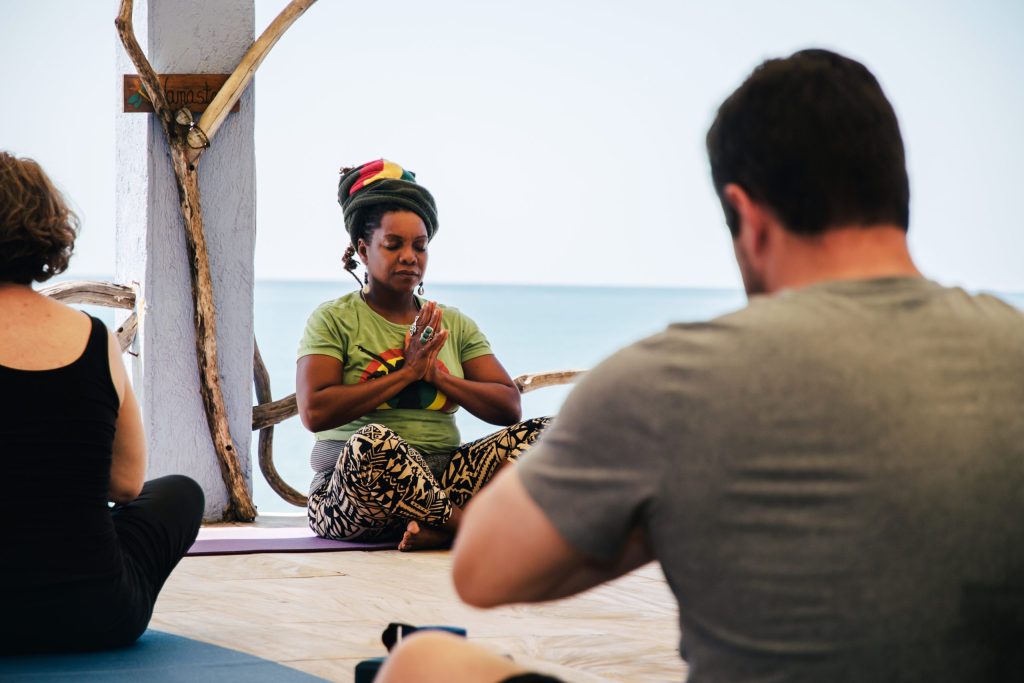
Mindfulness has also been shown to support psychedelic therapy, while somatic work and movement practices like yoga help you feel more regulated and connected to your body before, during, and after the journey.
Therapeutic Benefits Supported by Research
Research conducted on psychedelics demonstrates their benefits for mental and physical well-being when taken in a safe, guided environment.
Studies show that psychedelics lead to enhancements in five elements of well-being: positive emotions, engagement, relationships, meaning, and accomplishment. Psychedelics have proven to be viable treatment options for depression, PTSD, end-of-life distress, OCD, and more.
Data gathered by MycoMeditations show that participants of psilocybin retreats experienced long-term reduced symptoms of depression, anxiety, and PTSD. Retreat participants commonly report reduced rumination, emotional openness, and a renewed sense of meaning in their lives.
Ethical Guidelines and Safe Practices for Psychedelic Wellness
Taking psychedelics is not without risks. It’s crucial to ensure that anyone you choose to guide you through a psychedelic journey is doing so with ethics and integrity. Facilitators and guides should have deep experience with the psychedelic they’re administering, and have completed the necessary training and study to do so safely.
In Amazonian curanderismo, healers often spend upwards of eight to ten years studying and drinking ayahuasca before they are allowed to lead their own ceremonies. In a legal, Western context, guiding journeys may look like completing reputable psychedelic therapy training programs and receiving supervision and consultation to ensure safe practice.
Even facilitators with the best intentions can cause harm if they lack the proper experience. When you take a psychedelic, you are more susceptible to unsafe, unethical, or even abusive conduct, so it’s vital to do your due diligence on any centers or guides you choose. Ask the facilitators directly about their personal experience, training, and emergency protocols.
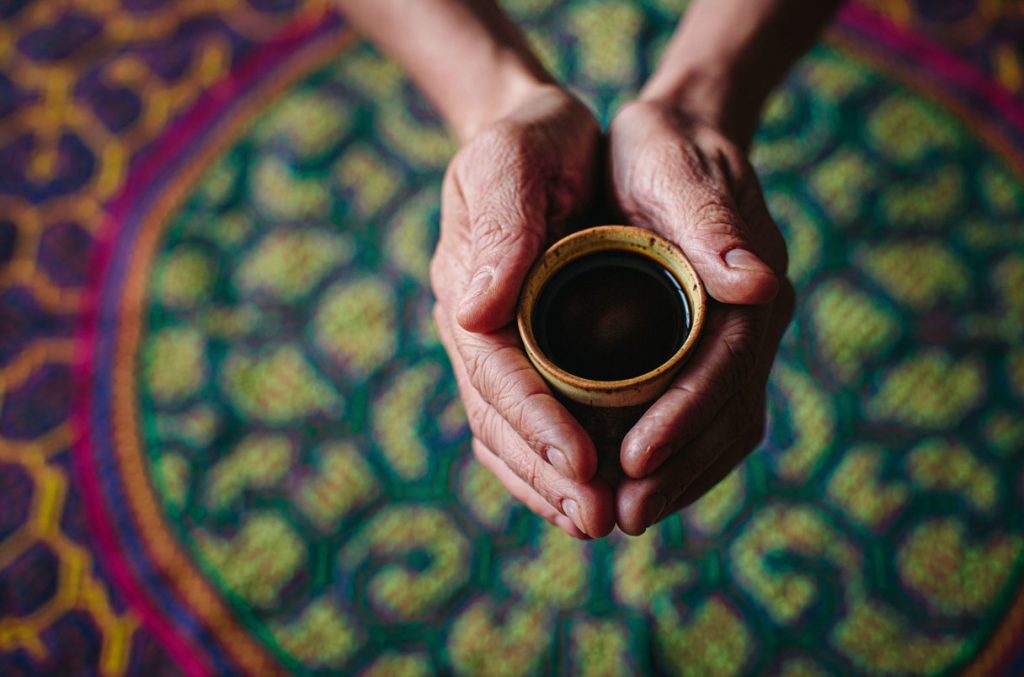
Ethics also comes into play when working with plants that have ancestral roots. With medicines such as ayahuasca and iboga becoming increasingly globalized, many non-Indigenous folks are leading ceremonies. This requires careful consideration around respectful and responsible use of these sacred plants – and ensuring that the guide is engaging in cultural appreciation, not appropriation.
Anyone serving ancestral medicine under an Indigenous tradition should have a direct relationship with the tribe from which it originates, engage in reciprocity with those communities, and have received their blessing to lead ceremonies under that tradition.
The Future of Psychedelic Wellness and Holistic Healing
While psychedelics are still illegal and stigmatized in many countries and communities, the needle is moving in the direction of increased access and cultural acceptance.
We hope that the future of psychedelic wellness brings with it wider, safe, and legal access to psychedelic healing that isn’t confined to one single model. We deeply respect the role that Indigenous communities have played throughout human history in keeping these traditions alive, and this wisdom is to be preserved and nurtured as psychedelic wellness continues to become a modern way of life.
The future of psychedelic wellness must come with proper education around safety and risks. While these medicines can catalyze profound healing, they require a personal commitment to see results – and an understanding that they aren’t a “magic pill” solution.
Integrating Science, Spirituality, and Self in Psychedelic Healing
As clinical models meet ancestral healing, we are at a critical moment in the psychedelic wellness movement. Ultimately, this work is about returning to self – whether you come to it for emotional healing, personal growth, or spiritual connection.
At MycoMeditations, we combine scientific excellence, expert therapeutic support, and ancient wisdom to support your psychedelic wellness journey. Learn more about our psilocybin retreats.
Psychedelic Wellness FAQs: What Do You Need to Know?
What is psychedelic wellness, and how is it different from traditional therapy?
Psychedelic wellness is an approach to personal therapy (which can still be paired with traditional therapy) that utilizes the use of psychedelic medicines such as psilocybin, LSD, MDMA, ayahuasca, and more for personal healing and growth. The entirety of someone's psychedelic usage for personal betterment can be considered "psychedelic wellness".
How do psychedelics like psilocybin and ayahuasca support mental health and neuroplasticity?
Psilocybin and ayahausca can support mental health by inducing heightened neuroplasticity within individuals who consume these medicines. Research shows that the brains of those who consumed these psychedelics remain in a higher state of neuroplasticity for weeks following the experience. Neuroplasticity then allows for psychological changes and improvements to occur, supporting mental health through new thought patterns, expanded emotional capacity, and new positive beliefs about oneself and others to take foot.
How can I find legal, safe, and ethical retreats or facilitators to explore psychedelic wellness?
Utilize third-party retreat directories such as Retreat Guru or The Third Wave for broad listings of psychedelic retreats or facilitators, and then explore the listings to see who has the most experience and best reviews. You can also ask ChatGPT or your favorite AI to show you the top legal retreats for psychedelic wellness, and add any additional context that you would like to consider to find the best personal option for you. If you manage to discover possible options for your psychedelic wellness experience, be sure to speak to the retreat or facilitator directly before deciding to book. Asking them direct questions is the best way to get a feel if they are the right fit for you.
What should I expect during a guided psychedelic wellness retreat?
Expect to feel a wide range of feelings and emotions to explore, along with the care and support of psychedelic practitioners to help you navigate the experience. Alongside that, a psychedelic wellness retreat will assist with preparation and integration surrounding the psychedelic experience(s), in addition to providing a variety of supporting wellness activities such as yoga, massage, meditations, workshops, and healthy foods.
How can I integrate my psychedelic experience for lasting healing and transformation?
You can integrate your experience by working with a psychedelic-informed therapist to help you make sense of the experience through in-depth discussion. This will help you better understand the contents of your experience in a way that best fits towards your healing and growth. Other activities include sharing about the experience with trusted family or friends, journaling, meditation, or joining a local psychedelic support group.