


Psychedelic-Assisted Therapy vs Traditional Talk Therapy
Explore the key differences between psychedelic-assisted therapy and traditional talk therapy and learn who benefits most from each approach.
Published on: December 1, 2025
A Complete Comparison of Psychedelic-Assisted Therapy and Traditional Talk Therapy
Psychedelic-assisted therapy is the combination of one or more psychedelic sessions and talk therapy. However, even though psychedelic therapy involves talk therapy, this doesn’t mean it looks the same as traditional talk therapy.
Many people will have tried talk therapy before showing an interest in psychedelic-assisted therapy. Traditional talk therapy can offer varying levels of success for people: some find that six weeks of cognitive behavioral therapy (CBT) sets them on the right track, whereas others may try other modalities for years without getting the relief they need.
Psychedelic-assisted therapy can be the catalyst that addresses the root causes of various mental health conditions in a much shorter timeframe than traditional talk therapy. Nonetheless, it’s also important to recognize that psychedelic therapy is not necessarily ‘superior’ to traditional talk therapy, or vice versa. What works for one person may not feel suitable for someone else. But where traditional talk therapy fails, psychedelic-assisted therapy offers unique benefits that can help those with deep-rooted and hard-to-treat psychological distress.
This article looks at the differences between psychedelic-assisted therapy and traditional talk therapy, so you know what to expect from both, including their benefits and disadvantages.
What is Psychedelic-Assisted Therapy?
Psychedelic-assisted therapy involves supervised psychedelic sessions. During these sessions, participants take a moderate-to-high dose of a psychedelic, such as psilocybin, LSD, DMT, or mescaline. Participants then lie down, put on eyeshades, and listen to a curated playlist, featuring music designed to match the arc of the psychedelic journey and facilitate greater emotional depth and transcendent experiences.
Psychedelic therapy typically takes place in a thoughtfully designed therapy room or in comfortable outdoor areas when done in a retreat setting. Whether taking place in a hospital for research purposes or at a licensed psychedelic therapy clinic, the room tends to include aesthetically pleasing art (such as nature-based art), ambient light, and plants. Participants typically lie down on a bed or couch for the duration of the session.

Under most clinical research protocols, two therapists (one male and one female) are present with the participants during their psychedelic experiences. They are there to provide psychological support or comforting touch if requested. The presence of therapists helps participants feel supported and safe as they experience altered states of consciousness.
Participants will also have preparatory sessions with the therapist, where they discuss intentions for the experience and how best to navigate altered states. Integration sessions with the therapist, which follow the dosing sessions, are also essential. These are opportunities for participants to process and make sense of what they experienced with professional help. This allows them to more effectively apply the insights and lessons they have gained to their lives going forward.
What is Traditional Talk Therapy?
Traditional talk therapy is much older than psychedelic-assisted therapy. The latter first emerged in the 1950s, with psychiatrists and therapists supervising people’s mescaline and LSD experiences in a clinical setting. Traditional talk therapy, on the other hand, originated in the late 19th century, with Sigmund Freud using it with patients in the 1890s.
Freud developed the psychoanalytic approach, the original talk therapy. The term ‘psychotherapy’ also came into use in the late 19th century, referring to treatments that involved ‘talking’ to the mind. ‘Talk therapy’ is the same as ‘psychotherapy’: the two terms are interchangeable. They both refer to the process of talking with a trained therapist to identify and change troubling thoughts, emotions, and behaviours.

Since Freud first developed talk therapy, many other therapy modalities have emerged. These therapy modalities differ in their approach – what aspects of the person’s life are prioritized, as well as how the therapist relates to the client. For example, psychoanalytic therapy and psychodynamic therapy (the latter evolved from the former) explore the unconscious, helping individuals address present-day problems by connecting them to past experiences, especially from childhood. Psychoanalytic therapy, however, is typically much more long-term than psychodynamic therapy.
Popular Psychotherapy Modalities and Approaches
- Cognitive-behavioral therapy (CBT): Changing unhelpful thought and behavior patterns.
- Mindfulness-based cognitive therapy: Becoming aware of present thoughts and feelings without judgment (this combines mindfulness with CBT).
- Acceptance and commitment therapy: Accepting difficult thoughts and feelings, rather than fighting them (this combines mindfulness with acceptance).
- Dialectical behavior therapy: This is based on CBT and teaches skills to manage intense emotions.
- Person-centered therapy: The focus is on self-actualization – where clients realize their potential – but the clients are encouraged to lead the sessions in this non-directive approach, which is different from a more therapist-directed approach like psychodynamic therapy.
- Existential therapy: The focus is on fundamental human concerns, which existentialist philosophers have focused on, such as meaning, freedom, responsibility, isolation, authenticity, and death.
- Somatic therapy: A body-centered approach that focuses on the connection between the mind and body. It is often considered a form of trauma therapy, using somatic approaches to release the trauma and stress believed to be stored in the body.
- Art therapy: Using creative practices – such as drawing and painting – to explore feelings, generate insights, and improve well-being.
- Internal Family Systems (IFS) therapy: Viewing the mind as an inner family, made up of ‘parts’ or subpersonalities, with some parts seen as ‘wounded’ and a core ‘Self’ that is compassionate and wise, and able to heal wounded parts.
- Transpersonal therapy: Helping people to realize their full potential by recognizing the spiritual dimension of life, such as transcendent experiences.
- Integrative therapy: This combines elements from other therapy modalities. It’s a flexible psychotherapeutic approach that adjusts which elements from therapy modalities are used and when they are used, based on the issues, goals, and needs that clients bring to sessions.
How Psychedelic-Assisted Therapy Works: Mechanisms, Brain Effects & Therapeutic Process
Psychedelic-assisted therapy works by offering clients meaningful experiences of altered states of consciousness to address the roots of their psychological distress. Research on psychedelic therapy suggests that this modality works through different possible facets of the experiences:
- Psychological insights
- Mystical experiences
- Emotional breakthroughs
- Alterations to the sense of self
- Increased connection to nature
- Entity encounters
However, it’s not just the acute subjective effects that predict the enduring mental health benefits of psychedelics. Personality changes, such as reductions in neuroticism, also predict these benefits, as do alterations to metaphysical beliefs. In addition, moderate-to-high doses of psychedelics, as used in psychedelic therapy, are believed to help address severe emotional distress by enhancing neurogenesis (the growth of new neurons) and neuroplasticity (the formation and reorganization of neural connections).
In several mental health conditions, such as depression, emotional distress is (partly) linked to the atrophy of neurons in certain brain regions. By generating the growth of neurons and connections in these brain areas, psychedelics can help restore them to their normal functioning.
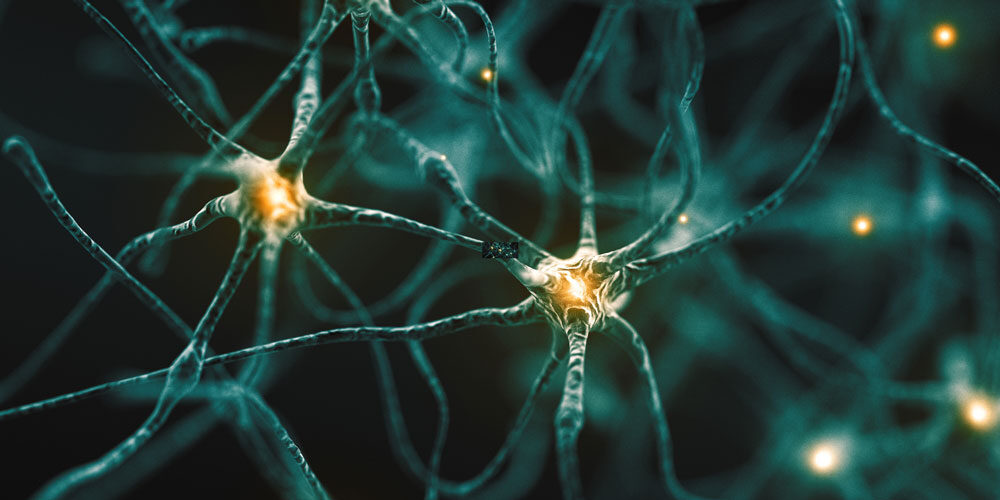
Psychedelic-assisted therapy also works through its emphasis on integration therapy. Integration sessions occur soon after dosing sessions, which are thought to reopen critical learning periods. This is when the brain is in a malleable and open state, which helps enhance the benefits of integration therapy. By discussing insights and lessons from psychedelic experiences and continuing to develop a positive relationship with the therapist, a participant has a better chance of turning altered states into lasting positive changes.
Comparing the Benefits of Psychedelic-Assisted Therapy and Traditional Talk Therapy
While both psychedelic therapy and traditional talk therapy can help resolve some of the same mental health conditions, they differ in their advantages.
The Advantages of Psychedelic-Assisted Therapy
Psychedelic therapy offers benefits not seen in traditional talk therapy, including:
- Generally, a shorter time commitment: patients typically have two dosing sessions, plus a few preparatory sessions and several integration therapy sessions. Traditional talk therapy, in contrast, can involve one or more sessions a week, lasting for years (or even decades) depending on the therapeutic approach.
- Highly meaningful and spiritually significant experiences that have a lasting impact on people.
- Significant and enduring changes in the brain which are associated with improved mental health.
- Exploring deep layers of the unconscious and getting to the roots of emotional distress in a single session, which could take years with traditional talk therapy.
- The experience of emotional catharsis, which can insitigate large internal shifts to take place.
- Reliably enhancing people’s connection to nature, which is also associated with improved well-being.
The Advantages of Traditional Talk Therapy
Traditional talk therapy may be preferable to psychedelic therapy for the following reasons:
- It doesn’t involve intense altered states of consciousness, which may lead to acute distress or extended difficulties for some people.
- Many evidence-based talk therapies are safe and effective for specific conditions and concerns, whereas psychedelic therapy may not be safe for those prone to psychosis or mania.
- In most cases, psychiatric medication may not interfere with traditional talk therapy. But medication side effects, like‘emotional blunting’, can make it difficult to fully engage in therapy. Antidepressants can blunt some psychedelic effects. The interaction between antidepressants and psychedelics may also increase the risk of serotonin syndrome in some instances. This refers to a potentially life-threatening drug reaction that causes excessive levels of serotonin in the body. Traditional talk therapy avoids this risk.
- Even if traditional talk therapy is long-term (lasting a year or longer), it might still work out cheaper than psychedelic-assisted therapy, which could cost up to $10,000.
Who Might Benefit Most from Psychedelic-Assisted Therapy?
Psychedelic therapy is most likely to benefit people with deep-rooted trauma, hard-to-beat addictions, treatment-resistant depression, or end-of-life anxiety. This is because many people with these conditions find little to no psychological relief from psychiatric medications and various talk therapy modalities.
Psychedelic-assisted therapy, in contrast, may be a more effective form of trauma therapy. It can help offer people transformative and life-changing experiences, allowing people to address their addiction patterns, chronic depressive symptoms, and death anxiety. People who have struggled to get
This novel therapy can also be highly effective for people facing life challenges that are not necessarily rooted in trauma. Just as people engage in talk therapy when they don’t have mental health concerns, psychedelic-assisted therapy can be highly beneficial for people not seeking to tackle psychological issues. Regardless of the cause of emotional distress, psychedelics can unstick people from habitual thought patterns and offer new perspectives.
Who Might Benefit Most from Traditional Talk Therapy?
Traditional talk therapy would likely most benefit those who feel that using psychedelics would be especially daunting. It would also be suitable for those who already benefit significantly from psychiatric medication and don’t want to (or are advised not to) taper off them to participate in psychedelic therapy.
In addition, talk therapy may be best for people who want to explore and focus on a specific stressor, diagnosis, or type of talk therapy modality. For example, while a psychedelic experience may have existential themes, most psychedelic therapists aren’t existential therapists. Additionally, many psychedelic therapists have training in IFS therapy, and it may be utilized during psychedelic therapy, but somebody may want to focus exclusively on IFS without psychedelic medicine being involved.
Furthermore, traditional talk therapy may be best suited for those who’ve already experienced psychedelic therapy but who want additional integration therapy. Continuing talk therapy may help someone to enhance and maintain the benefits they gained through their psychedelic experiences.
Conclusion: Two Approaches with One Goal of Healing and Growth
Both psychedelic-assisted therapy and traditional talk therapy are mental health treatments with the same goal: healing from emotional distress and personal growth.
They might differ in how they achieve that goal (this applies to different therapeutic modalities as well), but the aim is still to address the root cause of distress and to live a life with improved well-being and relationships.
Finally, psychedelic therapy and traditional talk therapy are not opposed to each other; often one helps to enhance the other. Psychedelic therapy still involves talk therapy, and traditional talk therapy may involve therapy modalities (e.g., transpersonal therapy) that can be helpful for processing past psychedelic experiences.
As always, it’s important that people find the modality that works best for them in terms of their worldview, personality, and mental health needs. Whether someone opts for psychedelic-assisted therapy or traditional talk therapy, it’s also crucial that they find a therapist they trust and feel connected to, as this is another factor involved in both healing and growth.
Frequently Asked Questions About Psychedelic-Assisted Therapy vs. Traditional Talk Therapy
How does psychedelic-assisted therapy differ from talk therapy?
Psychedelic-assisted therapy involves the use of psychedelic compounds, combined with psychological support and integration therapy, provided by therapists. Talk therapy doesn’t involve psychedelics; the focus is just on talking with a therapist.
What types of mental health conditions respond well to psychedelic therapy?
Research shows that psychedelic therapy can be helpful for depression, generalized anxiety, end-of-life anxiety, addiction, PTSD, and OCD.
How important is integration after a psychedelic session?
Integration therapy, which often involves talk therapy, is critical after a psychedelic session. Integration helps people make sense of what they experienced and increases the chances of lasting positive changes in their lives.
When is talk therapy a better fit than psychedelic treatment?
Talk therapy may be a better fit for those seeking ongoing support or a more structured approach for specific mental health conditions. It may also be better-suited for people who have psychiatric contraindications or those for whom psychedelic treatment could cause a safety issue, like people living with schizophrenia or bipolar disorder.
What safety protocols exist for psychedelic-assisted therapy?
Safety protocols for psychedelic-assisted therapy include screening for mental health conditions and medications that can interact negatively with psychedelics; preparatory sessions that teach people how to handle challenging experiences; psychological support during difficult dosing sessions; and integration sessions that can help people make sense of the challenging or confusing emotions, thoughts, or visions that they experienced during the dosing session.