

Psilocybin for Chronic Pain: A New Frontier for Pain Management
Psilocybin therapy offers a promising new approach to chronic pain, targeting both physical and emotional drivers. Learn how it works, the research, and safety insights.
Published on: November 19, 2025
A Guide To Understanding How Psilocybin Can Help Chronic Pain
Living with chronic pain can be all-consuming, reshaping daily life and taking a serious toll on mental health.
But there’s hope on the horizon for those who haven’t found relief from conventional pathways.
Psilocybin-assisted therapy is emerging as a new frontier for chronic pain treatment. Early research suggests that psilocybin has the potential to improve symptoms, both by modulating brain circuits and catalyzing profound psychological shifts.
In this article, we’ll explore everything you need to know about how psilocybin can address chronic pain, including:
- The wide-reaching impact of chronic pain
- How psilocybin works to treat chronic pain
- Exciting research on psilocybin for chronic pain conditions
- Where psilocybin therapy differs from conventional chronic pain treatment options
- How to safely combine psychedelic therapy with pain management for long-lasting relief
Understanding Chronic Pain: Symptoms, Mental Health Impact & Why It Persists
Approximately two billion people worldwide – around one quarter of the global population – suffer from chronic pain. In the United States, this number comes to a staggering 116 million.
High-impact chronic pain can impact even the simplest of daily activities, from socializing to being able to hold down a job to engaging in self-care. Dealing with pain day in, day out also leads to an increase in mental health conditions like depression and anxiety. This becomes a perpetuating cycle where the physical symptoms make the psychological ones worse, and vice versa.
Those who suffer from chronic pain often face dismissal because their struggles aren’t immediately visible or measurable to medical professionals, and may not even have a clear cause. People may live for years in the dark about where their pain comes from – and how to make it go away.
What Is Psilocybin?
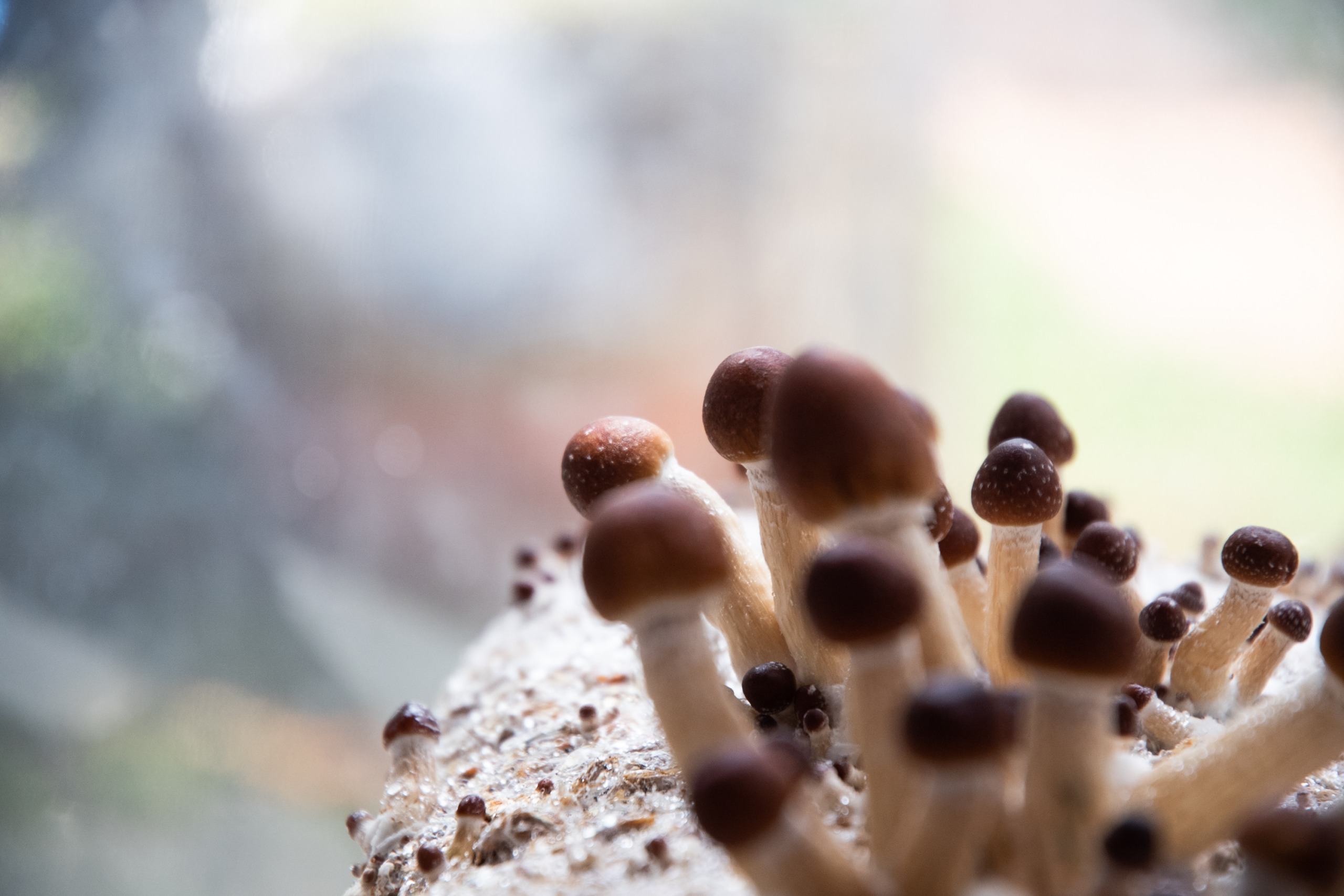
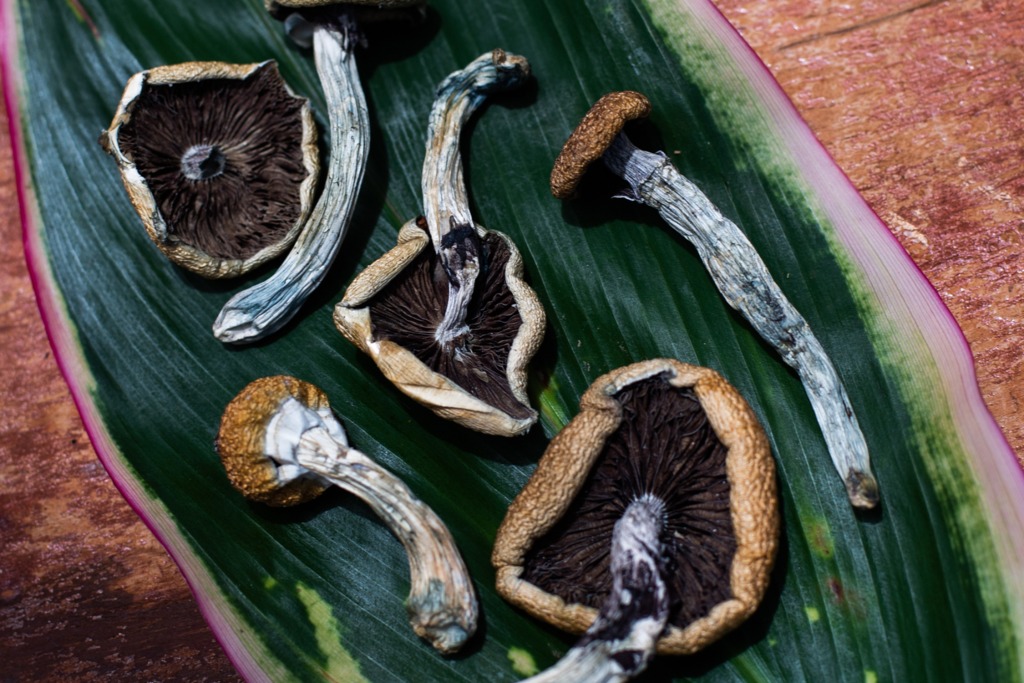
Psilocybin is a naturally occurring psychedelic compound found in certain species of fungi – often referred to as “magic mushrooms.” Psilocybin use comes from a long history of Indigenous wisdom traditions, especially in Mexico, where communities such as the Mazatec still use mushrooms for spiritual divination and healing.
In recent years, research into the therapeutic potential of psilocybin has boomed. Psilocybin is proving to be a promising treatment for mental health conditions like depression and anxiety. And now, emerging studies indicate its potential for chronic pain too.
How Psilocybin Works in the Brain to Reduce Chronic Pain
Psilocybin acts on a series of dozens of brain receptors, with research showing particularly high activation of the 5-HT2A receptors. These are key modulators of mood, cognition, and sensory perception. By “dialling down” overactive neural circuits in the brain’s pain and emotion hubs, such as the anterior cingulate cortex (ACC), psilocybin reduces the brain’s pain signal amplification – i.e., pain perception.
Psilocybin also causes large-scale alterations in functional brain connectivity, desynchronizing networks such as the default mode network (DMN), which is the brain region that regulates self-referential and ruminative thinking.
The compound is shown to promote neuroplasticity and decrease amygdala reactivity to emotional stimuli, contributing toward its therapeutic effects for both moderating pain signals and improving mental health symptoms post-journey.
Research is also showing that psilocybin may improve sensorimotor feedback loops, which could help enhance neuromuscular control and physical functionality in chronic pain patients. This indicates that psilocybin therapy may be able to assist rehabilitation and improve physical as well as psychological outcomes.
How Psilocybin Supports Emotional Healing and Pain Relief
On a psychological level, chronic pain is often accompanied by depression, anxiety, and feelings of hopelessness. Psilocybin helps to alleviate these psychological symptoms by inducing altered states of consciousness, which can involve profound introspection, emotional release, and mystical experiences.
These journeys often lead to increased cognitive flexibility, meaning-making, and a sense of having released old wounds and traumas and gained a new perspective on life in those who undergo them.
In the context of chronic pain, they can allow patients to reformulate their relationship with pain, reducing catastrophizing and improving coping skills. With a focus on integration and follow-up care post therapy, patients can consolidate psychological shifts – making use of the all-important window of opportunity – and solidify lasting behavioral changes.
Key Research Studies on Psilocybin for Chronic Pain
While research is ongoing, early results suggest promise for people living with chronic pain – including nerve injuries, fibromyalgia, chronic back pain, migraines, and headaches.
One study on mice with chronic nerve injury and inflammatory pain found that a single dose of psilocybin reduced pain as well as anxiety and depression related to pain for nearly two weeks.
This paper explored whether psilocybin may disrupt “self-pain enmeshment,” where cognitive and emotional self-identity is tightly bound up with chronic pain experience. The study found that the psilocybin experience may promote adaptive meaning-making and functional restoration by modifying sensory feedback and sensorimotor control through 5-HT2A receptors located in sensory and motor brain regions.
These findings indicate that psilocybin may be able to help people with pain-related disability and help them engage in rehabilitation activities such as exercise.
Another ongoing study is looking at psilocybin therapy for chronic low back pain. The trial includes preparation, dosing, and integration sessions, seeking to determine psilocybin therapy’s effectiveness in pain management and psychological relief.
Can Psilocybin Help Treat Fibromyalgia and Neuropathic Pain?
Research also points toward the potential for psilocybin to help treat fibromyalgia and neuropathic pain.
This review of 28 studies highlights the promise of psilocybin therapy for chronic neuropathic pain, indicating its potential to reduce pain severity and interference, anxiety, and sleep disturbances in patients.
Meanwhile, in this survey on fibromyalgia patients undergoing psilocybin therapy, the majority of participants reported clinically meaningful improvements with no serious adverse events.
Psilocybin for Cluster Headaches and Migraines
Several emerging clinical trials are demonstrating the potential of psilocybin therapy to help treat cluster headaches and migraines.
This study found that psilocybin may help relieve cluster headache pain and reduce the frequency of attacks. Interestingly, the therapeutic effect was not correlated with the intensity of the experience, indicating that perceived pain relief may be independent of the “psychedelic” effects.
Meanwhile, this review of studies also found that psilocybin reduces cluster headache attack frequency and intensity, and shows promise for migraine treatment with reports of headache relief.
How Psilocybin Therapy Differs from Conventional Treatment
Historically, chronic pain treatment has taken a pharmacological pain-relief focus. Commonly-prescribed medications include non-steroid anti-inflammatories (NSAIDs), analgesics (acetaminophen), antidepressants, and anticonvulsants for neuropathic pain.
While opioids are still prescribed in some cases, they carry risks of dependence, addiction, and overdose. Medical guidelines advise against opioids for long-term chronic pain treatment and to opt for non-opioid therapy wherever possible.
Drugs prescribed for chronic pain work by reducing peripheral inflammation, blocking or modulating nervous-system activity, or modulating the brain’s pain processing.
Many conventional treatments also integrate physical and psychological therapies to help patients manage pain symptoms. Physical therapy and exercise, mental and emotional interventions like cognitive behavioral therapy and mindfulness, and lifestyle changes can be helpful for chronic pain.
Meanwhile, psychedelic therapy for chronic pain adopts a fundamentally different approach.
Psilocybin therapy promotes deep psychological healing as well as impacts neurological mechanisms. Pain often has a psychological component to it, with some researchers arguing that a person’s expectation of pain or psychological distress can increase pain perception.
Many existing drug-based approaches don’t take into account the power of the mind-body connection and how mental associations and states can influence physical symptoms. The clearest clinical example of this is the placebo effect, where individuals experience symptom relief while receiving the inactive drug or placebo.
During psilocybin sessions, many individuals report vivid bodily awareness and emotional release related to physical sensations. This “somatic processing” can shift how sensations – including pain – are interpreted and given meaning. As a result, the participant changes how they relate to their pain, often experiencing a decrease in pain intensity following the journey.

What’s more, the feelings of acceptance and clarity that often follow high-dose psilocybin journeys are key in helping chronic pain patients come to terms with their condition, overcome depression and anxiety symptoms, and build a life they feel excited to live once again.
Unlike daily medication, psilocybin therapy involves one or a few higher-dose administration sessions, with preparation and integration therapeutic support. The goal is that the decrease in pain and psychological relief long outlasts the acute drug effects.
The integration period – i.e., the time after the session where the patient integrates their experience into their everyday life – may also involve similar lifestyle changes to those mentioned above, such as mindfulness, psychotherapy, and physical exercise. The difference is that psilocybin opens a window of neuroplasticity, often making it easier for patients to make these shifts and adopt a new way of relating to their condition – and the world.
Integrating Psychedelic Therapy with Pain Management
Using psilocybin-assisted therapy to treat chronic pain involves carefully considered protocols around screening, therapeutic frameworks, safety monitoring, and integration with existing treatments.
When it comes to screening, the patient should have persistent, refractory pain and not have responded adequately to standard care before accepting them for psilocybin-assisted therapy. As with any candidate for psychedelic therapy, the facilitator(s) should conduct thorough medical and psychiatric screening to rule out contraindications, such as psychotic disorders or serious cardiovascular disease.
Psilocybin therapy is not just the drug dose – it’s the therapeutic process around it. Studies show that results are strongest when patients undergo extensive preparation and integration support, and have the appropriate set and setting during the guided session.
For people living with chronic pain, the aim may extend beyond just reducing symptoms to emotional healing and reframing the person’s relationship to the pain. During preparation sessions and while defining intentions, the patient may choose to address the emotional and behavioral aspects of living with chronic pain and working toward acceptance of their condition. During the preparation phase, the therapeutic alliance is built, and a sense of safety and trust is established between the facilitator or therapist and the patient.
The dosing session should always be in a safe and comfortable setting that caters to the participant’s physical needs and is guided by an experienced professional. Particularly for chronic pain patients, it’s vital that the person has several options to comfortably sit or lie down, can easily access the bathroom, and has the necessary support they need to move around.
Following the psilocybin journey, integration support – both through 1:1 sessions and group circles – can help the person process their experience and explore the behavioral changes and coping strategies they seek to implement.
Is Psilocybin Safe and Legal for Chronic Pain Treatment? What Patients Need to Know
When screening, intake, and preparation processes are all executed properly, the likelihood of the person experiencing serious physical or psychological issues is extremely low. In the fibromyalgia pilot study, for example, no serious adverse events were found, but participants did note headaches and some transient physiological changes.
If the participant is taking any medication, for chronic pain or otherwise, their clinician must evaluate the potential interactions or adverse effects of the medication when combined with psilocybin, and coordinate tapering off the drug if necessary.
While psilocybin can induce psychological stress or emotional upheaval during the acute experience, this often leads to states of clarity and realization in the aftermath. This is where the therapist or facilitator’s skill and support before, during, and after act as important safeguards to prevent lasting psychological distress.
In many jurisdictions, psychedelic compounds are not yet approved as a treatment for chronic pain. For most, accessing safe, legal psilocybin treatment either means joining a clinical trial – of which there are few – or traveling abroad to countries like Jamaica, where psilocybin is legal and is administered in retreat settings.
The Future of Psilocybin in Chronic Pain Therapy
Psilocybin shows significant promise as a novel treatment for chronic pain by targeting both its sensory and emotional components. By modulating brain circuits associated with pain perception and mood and supporting somatic processing, psilocybin therapy may support real improvements in physical and psychological well-being in chronic pain patients.
Psilocybin distinguishes itself from traditional treatments by also catalyzing emotional healing, a shift in relationship to pain and bodily sensations, and a newfound sense of acceptance around a patient’s condition.
With chronic pain so closely intertwined with psychological distress, association, and expectation, psilocybin therapy’s ability to help sufferers address these mental health symptoms at the root proves its potential to be a new frontier for chronic pain treatment.
Looking ahead, we hope to see bigger clinical trials taking place across pain conditions and an ongoing optimization of treatment protocols. Randomized studies in fibromyalgia, chronic back pain, neuropathic pain, and pain-related limb differences will help shape dose, setting, and integration standards, while hopefully setting the stage for FDA approval down the line.
If you are seeking a safe and supportive environment to explore psilocybin therapy for chronic pain, take a look at our programs at MycoMeditations. We are a legal, science-backed psilocybin mushroom retreat center in Jamaica, offering unparalleled therapeutic support and expertise.
Psilocybin for Chronic Pain FAQs: How It Helps, What To Look For, and Duration of Relief
How does psilocybin help with chronic pain?
Psilocybin helps with chronic pain through both neurological and psychological mechanisms. The psychedelic acts on brain receptors that influence pain perception, increases neuroplasticity in the brain, and potentially impacts sensorimotor feedback loops, helping to improve physical mobility in pain sufferers.
Psilocybin can also catalyze somatic release and help sufferers deepen their mind-body connection to find pain relief, as well as promote emotional healing that enables patients to reframe their relationship to pain and reach a place of acceptance around their condition.
Can psilocybin help with fibromyalgia?
Early research suggests that psilocybin therapy may be effective in treating fibromyalgia. Studies have shown that psilocybin is generally safe for fibromyalgia patients when proper screening and protocols are in place, and many participants experience meaningful improvement in symptoms.
Is psilocybin effective for neuropathic pain?
Initial research demonstrates that psilocybin therapy could be an effective treatment for neuropathic pain. In addition to helping to reduce pain severity, studies also show its effectiveness in improving depression and anxiety symptoms in neuropathic pain patients.
How long do the pain-relief effects of psilocybin last?
The amount of time that patients feel pain relief post-psilocybin can vary and depends largely on the follow-up behaviors and integration period of the individual. Those who combine the psilocybin therapy with physiotherapy and mind-body connection approaches will likely experience a longer pain-relief window.
What should I look for in a psilocybin retreat for chronic pain?
Any psilocybin retreat center promising to help treat chronic pain should have experienced staff in relevant therapeutic modalities and chronic pain-specific protocols to ensure physical needs are met both during and outside of the administration sessions. They should be able to answer your questions about how they approach treating chronic pain sufferers and have emergency medical protocols in place. It’s also essential that they take you through a thorough intake process to ensure there are no medical, psychological, or pharmaceutical contraindications with the psilocybin therapy.
How many psilocybin sessions are typically needed?
The number of psilocybin sessions may vary from one high-dose session to several over a period of weeks or months. In addition to the administration day, it’s important to also have preparation and integration support sessions with a therapist or guide on either side of the journey to help you get the most you can from the experience.