

How Psilocybin Retreats Transform Mental Health Approaches
Learn what to expect from a psilocybin retreat, including preparation, guided experiences, integration practices, and benefits of a supportive retreat setting.
Published on: November 10, 2025
Psilocybin Retreats for Mental Health: A New Therapeutic Alternative
Psilocybin retreats are proving to be a safe and effective way for people to conquer numerous mental health conditions, various forms of emotional distress, and discover a new sense of meaning and purpose in their lives. In the psychedelic wellness space, these retreats offer something that is often missing from other mental health approaches: a profound experience that leads to significant personal understanding with lasting positive effects.
Like psilocybin therapy, where patients have a psychedelic experience in the presence of therapists, psilocybin retreats offer people supported experiences, backed by professional care and expertise. This is holistic healing, in which a person’s life history, emotions, and body are all taken into account to improve mental health in a more comprehensive way.
But there is a lot to unpack in terms of how psilocybin retreats differ from other mental health approaches. To begin with, we need to describe what a psilocybin retreat is like – what it’s like for people to attend one.
What Are Psilocybin Retreats and How Do They Work?
Psilocybin retreats, in many ways, are similar to other retreats in the wellness space. They typically involve staying for multiple days in peaceful and calming accommodation surrounded by a natural setting. Likewise, the aims between the two may be similar: many people attend psilocybin retreats like they would a meditation or yoga retreat to achieve a state of well-being.
However, unlike other wellness retreats, psilocybin retreats involve guided psychedelic experiences with a powerful psychoactive mushroom (or truffle). While it is certainly possible for meditation and yoga retreats to induce powerful altered states of consciousness, leading to emotional healing, this outcome is far more likely at a psilocybin retreat. This is because everything is set up at psychedelic wellness retreats to promote precisely this outcome.
Retreats like MycoMeditations opt for high-dose guided psychedelic experiences, alongside carefully curated music playlists, and in-depth preparation and integration sessions. All these aspects are conducive to deeply internal and transformative experiences.
The Shift Toward Psychedelic-Assisted Therapy and Wellness
One of the reasons more people are choosing psychedelic wellness options over other mental health approaches is likely due to frustration over not getting the results they want quickly. With more traditional mental health approaches, like therapy or medication, it can take a few weeks before an individual begins to experience a reduction in symptom severity and other desired changes.
Consider, for instance, the fact that 10–30% of people with major depression don’t find adequate relief from antidepressant medication. And even those who do experience benefits from this type of medication can experience a range of side effects.
This is not to deny or diminish how psychiatric medication helps many people, often significantly. For instance, research from Imperial College London shows that psilocybin therapy and SSRI (antidepressant) medication, alongside therapy, can offer comparable benefits to patients with depression. But we cannot ignore the fact that inadequate and negative responses to SSRIs, or other medications, are leading people to seek out alternative mental health approaches.
The experience of finding little relief from long-term traditional psychotherapy is also common, which is another reason why people are showing increasing interest in psychedelic wellness. Something like psilocybin therapy or a psilocybin retreat offers the opportunity to deeply explore the causes of – and solutions to – one’s emotional suffering. Many forms of distress can benefit from guided psychedelic experiences.
This trend towards psychedelic-assisted therapy aligns with global shifts towards prioritizing wellness. The global wellness industry is expected to double from 2022 to 2028, with valuation figures moving from $637 billion to an estimated $1.35 trillion in that time.
What's more, this movement further into personal wellness appears here to stay, as it is largely driven by younger generations such as millenials and Gen Z. This could be a sign of changing consumer mindset, where successful therapies such as those involving psychedelics are embraced even further throughout society.
How Psilocybin Retreats Differ from Recreational Experiences
It’s not always easy to distinguish a ‘therapeutic’ psychedelic experience from a ‘recreational’ one.
During psilocybin retreats, many attendees certainly enjoy the experience, and they may laugh and be dazzled by psilocybin’s visual effects or bodily sensations. Equally, many recreational psychedelic experiences with friends or at festivals can involve group bonding, feelings of liberation, insights, and experiences of awe and compassion. Nonetheless, we can distinguish psilocybin retreats from recreational experiences in several important ways.
First, the setting in which the experiences happen tends to differ. A psilocybin retreat takes place in a dedicated center designed to hold, support, and enhance the guided psychedelic experiences of several people. The retreat setting offers a quiet and comfortable place to have the experience with people who can facilitate the therapeutic application of these medicines.
In recreational settings – people’s homes, the city, clubs, music festivals, the park – there are often elements that stand in the way of therapeutic experiences.
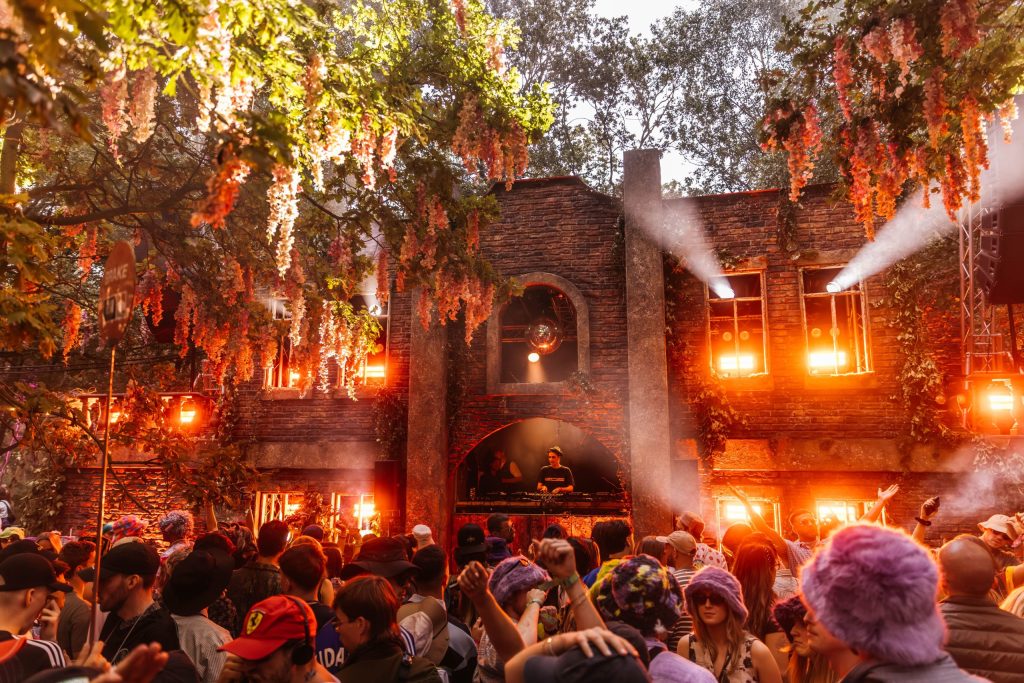
Those using psychedelics recreationally may be at greater risk of poor ‘set and setting’ – aspects of mindset and external environment – which often lead to difficult experiences. For example, in recreational contexts, noise, crowds, and unwelcome sights, sounds, smells, and changes in weather can heighten feelings of distress, especially if one is already in an anxious state of mind.
Moreover, many recreational experiences happen in the company of friends or loved ones, who are most likely unequipped to manage the full gamut of what a psychedelic experience can bring up. At a legitimate psilocybin retreat, there will be trained practitioners and facilitators to accompany you through all experiences that arise in a therapeutic manner.
People usually don’t know the other attendees at a psilocybin retreat. Those considering a retreat might feel apprehensive about altering their mind in the presence of people they don’t know well.
However, at MycoMeditations, as with other psilocybin retreats, attendees tend to naturally build trust and rapport with each other and with the facilitators as the retreat unfolds. The relational dynamics within these shared experiences are often highly vulnerable and require connection to assist with understanding the processes at play for you and the other attendees. This becomes a core part of what makes psilocybin retreats such a transformative process.
The level of warmth, care, and mental health training of facilitators is typically lacking in recreational contexts, which is essential to feeling safe and protected when entering into altered states of consciousness.
The Mental Health Benefits of Psilocybin Retreats
We now have a wealth of evidence from leading institutions to suggest that guided psychedelic experiences can help address a range of mental health issues. This data is gathered from both clinical trials on psilocybin therapy and retreats like those held by MycoMeditations. A guided psychedelic experience at a psilocybin retreat may lead to the alleviation of the following conditions:
- Depression
- Treatment-resistant depression
- PTSD
- Generalized anxiety
- Social anxiety
- OCD
- Eating disorders
- Gambling addiction
- Tobacco addiction
- End-of-life distress
How Psilocybin Improves Emotional Regulation and Self-Awareness
To appreciate how psilocybin retreats can help reduce anxiety and depressive symptoms, for instance, we need to look at the kinds of psychological effects they have on people.
Research has found that psilocybin can reduce levels of neuroticism, a personality trait associated with greater susceptibility to negative emotions. Through this effect, people undergoing psilocybin therapy can achieve, in the long term, higher levels of emotional regulation and improved ability to handle stress. Other research highlights how psilocybin can enhance psychological resilience. These effects lessen people’s susceptibility to anxiety and depression.
Psilocybin retreats support exploring and transforming patterns of anxious and depressive symptoms by promoting self-awareness. This involves an understanding that there are multiple levels to oneself, as well as an appreciation of one’s positive aspects. With mental health conditions, perceptions of oneself are often overly negative. Guided psychedelic experiences can be useful for encouraging healthier and more realistic perceptions of self.
Enhanced Mindfulness and Presence from a Psilocybin Retreat
Psilocybin retreats can also improve well-being by creating lasting increases in mindfulness – the ability to stay present with one’s experiences in a non-judgmental manner, which can create psychological distance with distressing thoughts about the past and future. Other mental health approaches, such as mindfulness-based therapy, may promote this too, but often, the outcomes take longer to achieve when compared with psilocybin therapy.

After a psilocybin retreat, it is common for attendees to experience prolonged and long-term feelings of being present in the moment. Researchers have also found that mystical experiences induced by psilocybin are more strongly linked to lasting increases in mindfulness. The likelihood of having these experiences at psilocybin retreats also distinguishes them from conventional mental health approaches. Of course, psilocybin therapy combined with mindfulness therapy may offer even greater benefits.
The Role of Trained Facilitators and Safe Environments
We’ve seen some of the ways that trained facilitators are essential to psilocybin retreats. Their positive qualities, such as kindness and compassion, make them ideal for guided psychedelic experiences. But to truly appreciate how facilitators create a safe environment for people to explore their minds, it’s worth bringing attention to what they specifically do at psychedelic wellness retreats to support people’s experiences:
- Teaching attendees the process of navigating and understanding these medicines after years of working directly with psilocybin, other psychedelics, either personally or from guiding others.
- Providing non-directive support: facilitators encourage and guide attendees through the experience as it naturally unfolds, instead of imposing their own direction or interpretation.
- Remaining composed and grounded through the wide range of experiences that psilocybin can catalyze within people.
- Offering nurturing touch: non-sexual touch – such as a hand resting on the shoulder, arm, or hand – can help soothe and ground attendees when they go through difficult periods or emotional states.
- Giving attendees time and space to discuss their intentions and psilocybin experiences during the preparatory and integration sessions, respectively.
- Ensuring that attendees feel physically comfortable during their psilocybin sessions.
- Making attendees feel welcome and ease throughout the psilocybin retreat.
- Sharing tried-and-tested wisdom with attendees on how they can work with psychedelic experiences, especially when they become challenging. This often involves the recommendation to “trust, let go, be open” – in other words, to surrender to the experience.
How to Integrate Psilocybin Retreat Insights into Everyday Life
To experience long-lasting emotional healing from psychedelics, it is crucial to pay attention to ‘integration’, which is loosely defined as making sense of what occurred in the psychedelic state, and applying the insights and lessons from psychedelics to one’s everyday life.
The best psilocybin retreats will emphasize integration, offering attendees a way to process what came up for them during their experience. This mainly takes place the day following a mushroom ceremony or session.
Through integration – or “transforming altered states into altered traits” – one can approach one’s lifestyle, relationships, career, worldview, and sense of self in a completely new way.
Psilocybin retreats differ from other mental health approaches by offering, in a single experience, a vision of the kind of person and life one wants to realize. Profound insights and changes to perspective at a psilocybin retreat are like fertile soil, and integration is the effortful activity of planting seeds so that growth and positive changes occur. This ‘planting of seeds’, in response to psychedelic insights, might involve altering anything from one’s daily habits to avoiding unhealthy relationship patterns, or making a major career change.
Ethical and Legal Considerations for Psilocybin Retreats
Psilocybin retreats differ from conventional mental health approaches, such as mindfulness-based therapy, by giving people the opportunity to enter into powerful altered states of consciousness. This effect, and the use of psilocybin in achieving it, brings with it unique ethical and legal considerations.
Guided psychedelic experiences must always respect the autonomy and integrity of the individual having the experience. Therefore, facilitators must not engage in sexual misconduct or violate the emotional boundaries of individuals who are in a heightened state of vulnerability and suggestibility during psilocybin sessions.
Ethical psilocybin retreats will also make all attendees feel welcome and accepted, regardless of their background or religious beliefs (or lack thereof). Within psychedelic circles, some practitioners will box these experiences into mental frameworks that suit the practitioner’s beliefs rather than those of their clients. The client must always come first. A trustworthy psilocybin retreat will work with the attendee to make sense of these experiences in a way that best works for them.
For psilocybin therapy to be safe, it’s best held in a legal, regulated context. Outside of legal psilocybin retreats, people are at greater risk of encountering poorly-run ceremonies and unethical guides. In contrast, by joining a psychedelic wellness retreat in Jamaica, the Netherlands, Colorado, or Oregon, attendees can have a much safer experience.
Psilocybin Retreats and the Future of Holistic Mental Health
We see greater attention paid to holistic healing nowadays. More people want to address the multiple levels of self that affect emotional well-being. This might mean, alongside traditional mental health approaches, also focusing on nutrition, exercise, body-based approaches, and spending time in nature.
Psilocybin retreats represent a new chapter in holistic healing. We don’t have to view that as a replacement for other mental health approaches or other lifestyle changes; rather, they often act as ideal complements to these practices.
More than that, at MycoMeditations, we find that psilocybin retreats act as powerful catalysts, instigating important changes in people who have felt lost in their search for emotional healing.
As a form of holistic healing, psilocybin retreats address the whole individual. Therefore, it’s no surprise that attendees commonly leave retreats feeling more whole as a person, too.
Psilocybin Retreat FAQs: What You Need to Know
What happens during a psilocybin retreat, and how is it structured?
Psilocybin retreats involve taking a high dose of psilocybin mushrooms or psilocybin truffles during one or more days over the course of the retreat. On the day of arrival, attendees will meet each other and the facilitators. The first psilocybin session is then the day after, which is followed by a non-dosing day, involving rest, integration, and preparation for the next session. Normally, psilocybin retreats involve at least two dosing days. Attendees don’t go home after the last dosing day – that is spent integrating the experience the day before. The day after the last integration day, attendees will have a final breakfast together and then bid farewell to each other.
How do psilocybin retreats support mental health and well-being?
Psilocybin can support mental well-being by reducing neuroticism; enhancing emotional regulation, self-awareness, mindfulness, and connection to nature; and promoting neuroplasticity (the brain’s ability to form new connections).
What makes psilocybin retreats different from traditional therapy?
Psilocybin retreats differ from traditional therapy by giving people the chance to experience altered states of consciousness. They also tend to occur in group settings, rather than one-on-one with a therapist. In addition, guided psychedelic experiences don’t involve conversing with a therapist, as you would expect in traditional therapy. The psilocybin therapy experience involves little to no talking with the trained therapists; instead, participants are invited to “go inwards”. They spend most of their time listening to a pre-selected playlist, saving the conversation with a therapist for before and after the experience.
How can participants integrate retreat insights into their daily lives?
Psilocybin retreat participants can integrate their insights into their daily lives through practices like journaling, meditation, breathwork, and movement; lifestyle, relationship, and career changes; or psychotherapy and integration circles.
Why are psilocybin retreats gaining recognition in mental health fields?
Psilocybin retreats are becoming well-respected in the mental health field because of their potential to create significant and long-lasting improvements to mental health. Moreover, what impresses many mental health professionals about psilocybin retreats is how wide-ranging their benefits are. They not only help address a variety of mental health conditions; they also allow people to address existential and spiritual concerns, such as the search for meaning, purpose, and connection.