

How Does Psilocybin Therapy Work?
Discover how psilocybin therapy works and why it is growing as a promising approach for mental health and emotional healing.
Published on: December 12, 2025
A Guide to Understanding Psilocybin Therapy
There is no simple answer to the question of how psilocybin therapy works. With the continued publication of new psychedelic research, we keep learning more about how psilocybin therapy alleviates distress in such significant ways across a wide variety of conditions.
Based on the research available, we understand that psilocybin therapy works on multiple levels, including our brains and many aspects of our psychology, including our emotions, personality, degree of self-insight, sense of connection, and sense of self.
In this article, we will unpack how psilocybin therapy works on these multiple levels, which also helps explain why this approach to mental health is so promising.
What is Psilocybin Therapy? And How Does This Psychedelic Treatment Work?
Psilocybin therapy involves a client with a mental health condition or concerns taking psilocybin – in synthetic, extracted, or whole mushroom form – in the presence of a therapist (or sometimes two). Unlike traditional talk therapy, clients aren’t encouraged to talk about their experiences during these psilocybin dosing sessions. Instead, the client will have preparatory sessions to discuss what they are struggling with currently, to help form their intentions for psilocybin therapy. Then, following the psychedelic session, integration takes place to glean the experience for meaningful shifts.
The Structure of Psilocybin-Assisted Therapy
The structure of psilocybin therapy has been constructed in a way to maximize psilocybin’s benefits and reduce its risks.
Preparation Sessions in Psilocybin Therapy and Why They Matter
Psilocybin therapy begins with a thorough screening process to ensure the client is safe and well-suited for this therapy. Screening involves assessing their current state of mental health, medication usage, learning their personal and familial mental health background, as well as reviewing their cardiovascular and physical health history.
Following the screening process, a client will have at least a few preparatory sessions with one of the therapists who will be supervising and supporting them during their dosing sessions. Setting intentions during the preparatory sessions can encourage valuable psychological material to arise when someone enters an altered state of consciousness. These preparatory sessions are also essential for giving clients the tools necessary for navigating altered states, which, at times, might feel intense, confusing, overwhelming, or challenging. A psychedelic therapist will often recommend that a client adopt an attitude of letting go, surrendering, trusting, and being open to whatever the experience has to offer.
Psilocybin Dosing Sessions and What Happens During Treatment
Psilocybin-assisted therapy tends to involve one or two dosing sessions. While many clinical trials studying psychedelic therapy, or psychedelic therapy when done in practice, involve two dosing sessions, more than one isn’t always necessary. A single session can be sufficient for the client to receive clinically significant improvements in their condition.
That said, psychological or transpersonal material that arises in the first experience naturally feeds into subsequent psilocybin sessions. In our experience as a psilocybin therapy retreat center, psilocybin sessions will have a compounding effect when done effectively. Healing often happens in layers, and earlier sessions set the stage for future sessions to deepen and expand the potential growth offered through psilocybin.
Psilocybin Therapy Integration and How It Leads to Lasting Change
After the dosing sessions, there will be several integration sessions with one of the psychedelic therapists. There tends to be an equal number of preparatory and integration sessions (e.g., three for each is pretty standard), but sometimes there might be more integration sessions than preparatory ones, and vice versa. The psilocybin therapy integration sessions are opportunities to explore various aspects of the experience, such as resurfaced memories, visions, positive or negative emotions, periods of introspection and insight, and existential and metaphysical themes that arose.

How Psilocybin Affects the Brain and Supports Therapeutic Change
When psilocybin is ingested, in any form, it converts to psilocin in the body. It is psilocin that causes psychedelic effects. Psilocybin is a pro-drug; it converts to an active psychoactive compound but is not itself psychoactive. Psilocin then binds to several receptors in the brain, most notably serotonin 5-HT2A receptors. It is this latter binding that results in psychedelic effects.
Separate from the potentially therapeutic psychoactive effects of psilocin, its action in the brain is also responsible for mental health benefits. It’s through its activity at 5-HT2A receptors that it's able to promote neuroplasticity, which is the brain’s ability to reorganize its structure, functions, and connections. In several mental health conditions, including depression, brain regions linked to mood and cognition are smaller. There are also fewer neuronal synapses (junctions where neurons communicate) and smaller and fewer dendritic spines (small protrusions on neurons that receive synaptic inputs) in these regions.
Psilocybin, however, promotes neuronal growth, synaptic density, and dendritic spine density. It can rapidly increase the number and size of dendritic spines, leading to a greater overall density of synaptic connections. This enhanced neuroplasticity, crucially, also remains after the dosing sessions. Through these brain changes, as the normal structure and function of key brain regions are restored, people often experience an alleviation of their psychological distress.
The Therapist's Role in Psilocybin Therapy and Client Support
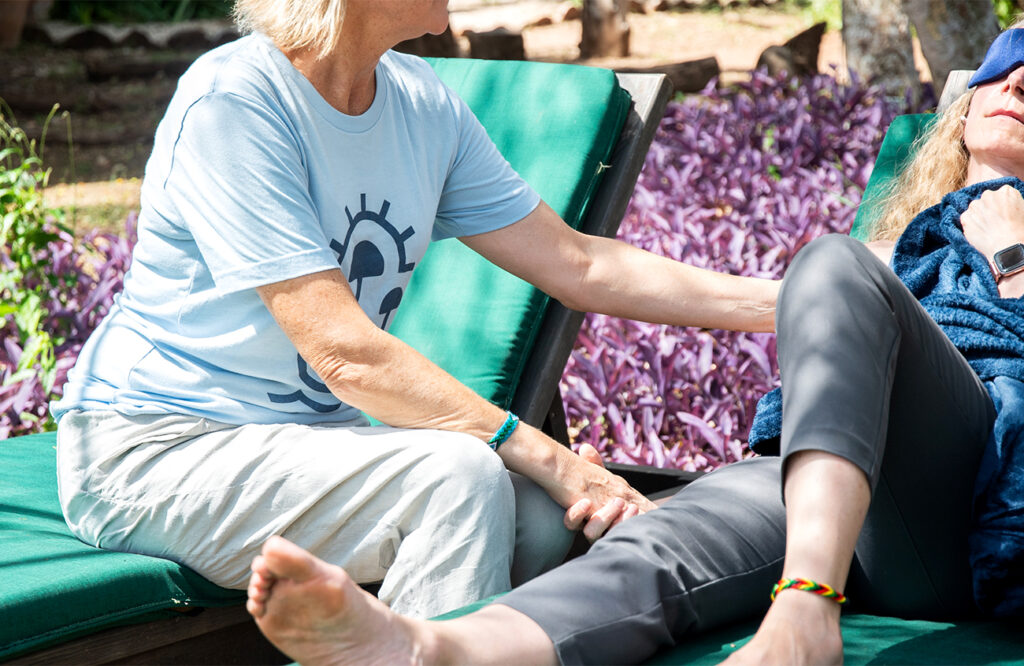
In psychedelic-assisted therapy, the role of the therapists is usually to adopt a non-directive approach, including during the dosing sessions. This means they don’t encourage a client to explore any issue in particular or to guide the psychedelic experience in a specific direction. Their role, instead, is to let a person’s altered state of consciousness unfold naturally while encouraging them to embrace, rather than resist, whatever emotions, feelings, thoughts, or psilocybin effects arise.
This non-directive approach is client-centered. The client is viewed as having the solutions to their problems and the ability to arrive at them. This approach involves attentive and empathic listening, patience, guidance, and support – but, crucially, not interpretation. The client is encouraged to find their own sense, meaning, and insight in the experience. Psychedelic therapists, therefore, are best to avoid imposing their own thoughts and beliefs onto people’s experiences.
Psilocybin therapy can be a challenging experience for the client. There are times when gentle guidance and instruction are necessary to help the client work through a psychological block or to soften towards resistance.
The psychedelic therapist is there to utilize their experience with altered states of consciousness to help the client navigate these new, complex inner landscapes that psilocybin reveals.
What People Experience During Psilocybin Therapy
Psilocybin therapy works, in large part, due to what people experience during a psilocybin therapy dosing session:
- Emotional breakthroughs: The experience of emotional catharsis, insight into one’s emotions, experiencing painful emotions fully, or feeling a sense of closure about an emotionally distressing event or relationship.
- Psychological insight: These insights involve a more complete understanding of one’s past (especially one’s childhood and upbringing), family, relationships, values, goals, and authentic self.
- Positive emotions: Self-compassion, kindness, warmth, forgiveness, joy, and peacefulness.
- Addressing the root cause of emotional distress: Many of psilocybin’s benefits result from people confronting what causes them severe and prolonged distress, such as childhood or adult trauma, abuse or bullying, low self-esteem or feelings of unworthiness, grief, a sense of meaninglessness, or fear of death.
- Alternative models of self: Unhealthy beliefs about self can be replaced with a realistic, kind sense of self that takes into account one’s strengths and positive attributes.
- Spiritual encounters: Ego dissolution, a sense of unity, connection to something bigger than oneself (e.g., ‘the divine’, humanity, nature, the cosmos), transcendence of space and time, ineffability, sacredness, encounters with entities.
Evidence-Based Benefits of Psilocybin Therapy
We now have evidence (and several studies arriving at the same conclusion) that psilocybin therapy can:
- Alleviate major depression, treatment-resistant depression, generalized anxiety, end-of-life anxiety, social anxiety, PTSD, addiction, OCD, and anorexia.
- Lead to sustained personality changes, including increases in trait openness and reductions in trait neuroticism (both of which are associated with positive mental health outcomes).
- Increase one’s connection to nature, which is also associated with improved mental well-being.
- Enhance one’s connection to self, others, and the world, as well as encourage acceptance (instead of avoidance) of one’s emotions.
- Lead to lasting increases in trait mindfulness, which can be an important marker in positive well-being.
- Encourage healthy behaviour changes, such as taking up contemplative practices, spending more time in nature, and eating healthier.
How Psilocybin Therapy Used in Retreat Settings Differs from Clinical Trials
Many psilocybin retreats, including those organized by MycoMeditations, draw on the lessons and insights gained from psychedelic therapy clinical trials. This includes the use of a therapeutic dose of psilocybin, a carefully curated playlist, eye shades, a non-directive approach, and dedicated preparatory and integration sessions. The journey of the participant is often similar, where people have deeply personal and meaningful psychedelic experiences that lead to positive ripple effects long after the experience is over.
However, there are some key differences between psilocybin retreats and psychedelic-assisted therapy as done in the clinical trials.
First, psilocybin retreats tend to take place in group settings (although private retreats are often available, too). Second, psychedelic retreats take place in a natural, villa-type setting, not a clinical space. Third, psilocybin retreats often utilize more of an all-encompassing method in terms of approach, emphasis, structure, and facilitators’ backgrounds (some are trained therapists, but not all are). Fourth, all participants in psychedelic-assisted therapy, such as in a clinical trial, have a specific mental health condition, whereas psilocybin retreats are also open to those without such conditions, or to people with comorbidities (people with more than one mental health condition).
Who is a Good Candidate for Psilocybin Therapy?
A good candidate for psilocybin therapy is someone who:
- Has tried other approaches to mental health (e.g., talk therapy, medication, lifestyle changes, support groups) and experienced inadequate benefit.
- Feels ready for psychedelic therapy and is open to altered states of consciousness, which can involve unexpected or unpredictable effects, recalling painful memories, challenging emotions, and potentially mystical effects like ego dissolution.
- Does not have a personal or family history of a psychotic disorder or mania.
- Feels comfortable tapering off any current psychiatric medication with the guidance of their prescribing provider (this is typically a requirement before undergoing psilocybin therapy).
- Is not pregnant, has a history of seizures, or cardiovascular issues.
Conclusion: Psilocybin Therapy is a Powerful Tool When Practiced Safely and Intentionally
Psilocybin therapy can work if it’s approached in an intentional way and with adequate safeguards in place. This means treating psychedelic therapy with trust and openness. And for psychedelic therapy to be done safely, the therapists need to have high ethical standards and a commitment to supporting clients before, during, and after their psychedelic experiences.
When approached in this way, psilocybin therapy can help free people from the shackles of negative thoughts and beliefs about themselves. It can offer new perspectives – alternative ways of relating to themselves, others, and the world. Within this opportunity to experience a radically altered reality lies the transformative power of psilocybin therapy.
Frequently Asked Questions About Psilocybin Therapy
What happens in the brain during psilocybin therapy?
During a psilocybin therapy dosing session, psilocin binds to serotonin 5-HT2A receptors, which creates a cascade of brain effects, including increased communication between brain regions (that don’t normally ‘talk’ to each other). In other words, the typically segregated nature of the brain’s network structure breaks down, leading to greater global integration. The default mode network (DMN) – which is involved in self-reflection, sense of self, remembering the past, and imagining the future – is also weakened. There is also an increase in ‘brain entropy’ (randomness of activity). These effects together can lead to psilocybin’s effects, such as altered perceptions, an altered sense of self, healthier thought patterns, and mystical experiences.
How is psilocybin administered in a therapeutic setting?
In psychedelic-assisted therapy, psilocybin is usually administered in synthetic form, in a pill (although it can also be administered as a psilocybin mushroom extract or as whole psilocybin mushrooms). Synthetic psilocybin allows for the most accurate form of dosing, however. Psilocybin is also administered in high doses (i.e., high enough to induce mystical experiences). These doses would typically be 25 mg of psilocybin or 3–6 g of psilocybin mushrooms (depending on strain). The participant consumes the dose, then they are encouraged to lie down, put on eye shades, listen to music, and have a deeply internal experience.
Why is integration essential for positive results in psilocybin therapy?
Integration is essential for long-lasting benefits. This is because, while psychedelics rapidly increase neuroplasticity, this doesn’t mean that new brain connections (and healthier thought patterns) will be permanent. Integration sessions help to strengthen the positive insights, perspectives, and self-perception one gained during the dosing sessions. In addition, they not only help to strengthen and maintain positive thought patterns, but they are also opportunities to process and make sense of any psilocybin effects that were confusing or challenging. And this, too, can lead to self-insight and self-growth.
What does the research say about psilocybin therapy’s effectiveness?
The research so far indicates that psilocybin therapy is effective at alleviating a wide range of mental health conditions and emotional distress, as well as enhancing the well-being, sense of meaning, life satisfaction, mindfulness, and nature connectedness of participants.
Who should and should not consider psilocybin therapy?
Good candidates for psilocybin therapy are those who have tried other mental health approaches and experienced little to no relief. Additionally, it is best that psilocybin therapy candidates have actually tried other therapies. It is important to have a foundation of psychological work established for psilocybin therapy, as this is an intensive therapeutic approach. Those who would not be suitable would be those prone to psychosis or mania (and who may have used psychedelics in the past, leading to a triggering or worsening of psychotic or manic symptoms). Individuals with a history of seizures or heart problems may also not be a good fit. Further, people who have never engaged in a therapeutic process are better off starting talk therapy to first learn about how their past has impacted them, recognizing negative thoughts and beliefs, working with emotions in healthier ways, and other foundational understandings.